Welcome at the Interface Culture program website.
Acting as creative artists and researchers, students learn how to advance the state of the art of current interface technologies and applications. Through interdisciplinary research and team work, they also develop new aspects of interface design including its cultural and social applications. The themes elaborated under the Master's programme in relation to interactive technologies include Interactive Environments, Interactive Art, Ubiquitous Computing, game design, VR and MR environments, Sound Art, Media Art, Web-Art, Software Art, HCI research and interaction design.

The Interface Culture program at the Linz University of Arts Department of Media was founded in 2004 by Christa Sommerer and Laurent Mignonneau. The program teaches students of human-machine interaction to develop innovative interfaces that harness new interface technologies at the confluence of art, research, application and design, and to investigate the cultural and social possibilities of implementing them.
The term "interface" is omnipresent nowadays. Basically, it describes an intersection or linkage between different computer systems that makes use of hardware components and software programs to enable the exchange and transmission of digital information via communications protocols.
However, an interface also describes the hook-up between human and machine, whereby the human qua user undertakes interaction as a means of operating and influencing the software and hardware components of a digital system. An interface thus enables human beings to communicate with digital technologies as well as to generate, receive and exchange data. Examples of interfaces in very widespread use are the mouse-keyboard interface and graphical user interfaces (i.e. desktop metaphors). In recent years, though, we have witnessed rapid developments in the direction of more intuitive and more seamless interface designs; the fields of research that have emerged include ubiquitous computing, intelligent environments, tangible user interfaces, auditory interfaces, VR-based and MR-based interaction, multi-modal interaction (camera-based interaction, voice-driven interaction, gesture-based interaction), robotic interfaces, natural interfaces and artistic and metaphoric interfaces.
Artists in the field of interactive art have been conducting research on human-machine interaction for a number of years now. By means of artistic, intuitive, conceptual, social and critical forms of interaction design, they have shown how digital processes can become essential elements of the artistic process.
Ars Electronica and in particular the Prix Ars Electronica's Interactive Art category launched in 1991 has had a powerful impact on this dialog and played an active role in promoting ongoing development in this field of research.
The Interface Cultures program is based upon this know-how. It is an artistic-scientific course of study to give budding media artists and media theoreticians solid training in creative and innovative interface design. Artistic design in these areas includes interactive art, netart, software art, robotic art, soundart, noiseart, games & storytelling and mobile art, as well as new hybrid fields like genetic art, bioart, spaceart and nanoart.
It is precisely this combination of technical know-how, interdisciplinary research and a creative artistic-scientific approach to a task that makes it possible to develop new, creative interfaces that engender progressive and innovative artistic-creative applications for media art, media design, media research and communication.
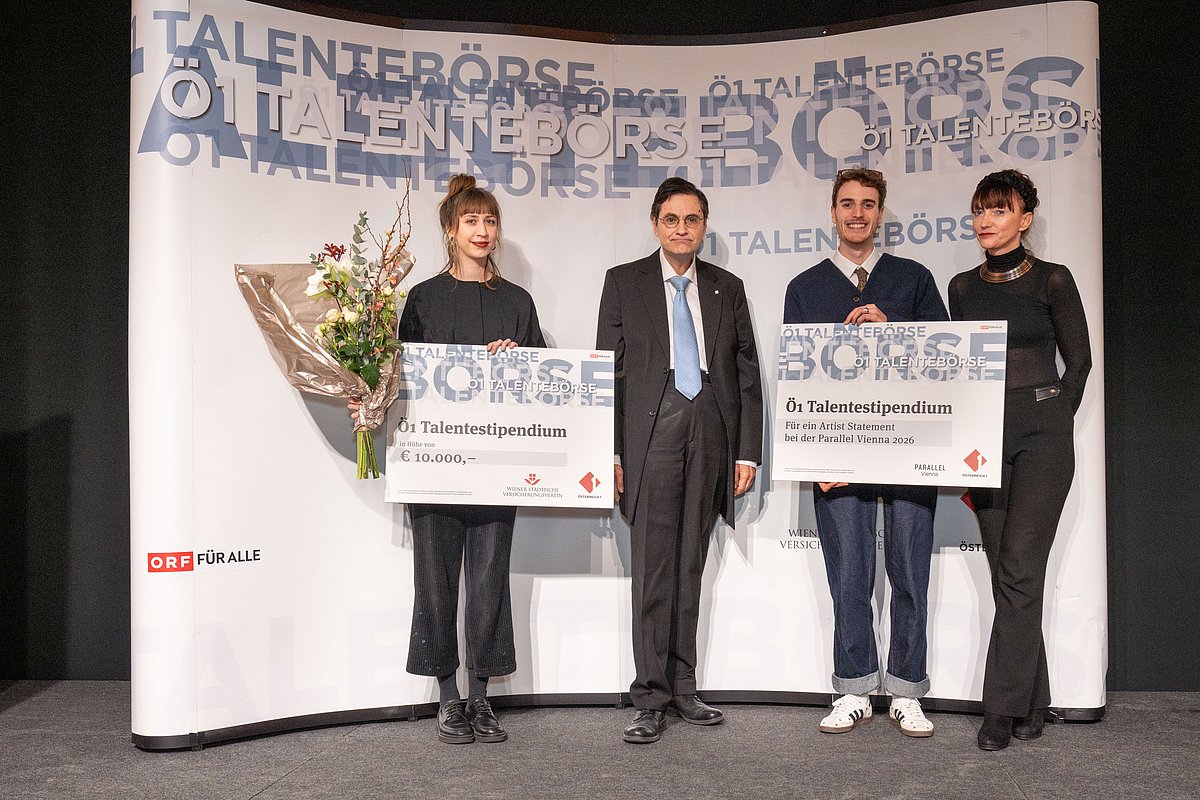
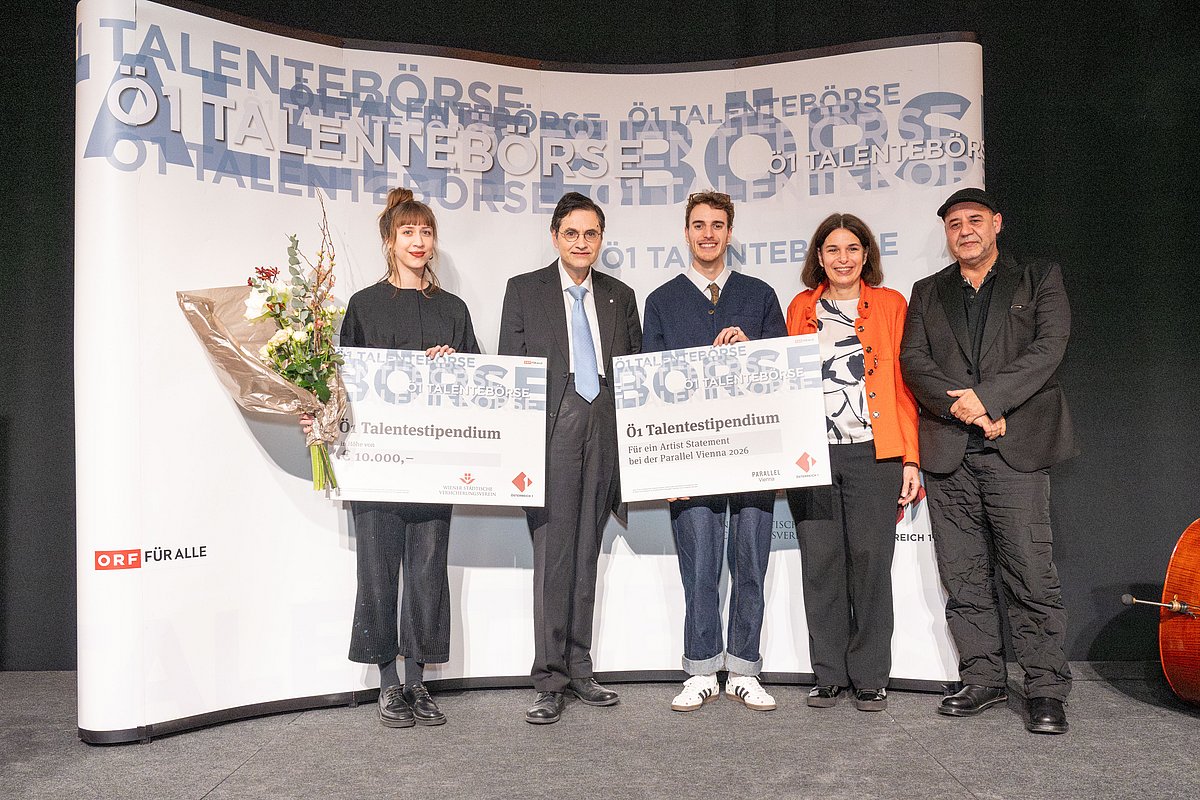
Ö1 Talentestipendium bildende Kunst 2025 geht an Ruth Größwang
Ausstellung bis 17. Dezember 2025 Museumsquartier Wien, 1070 Wien
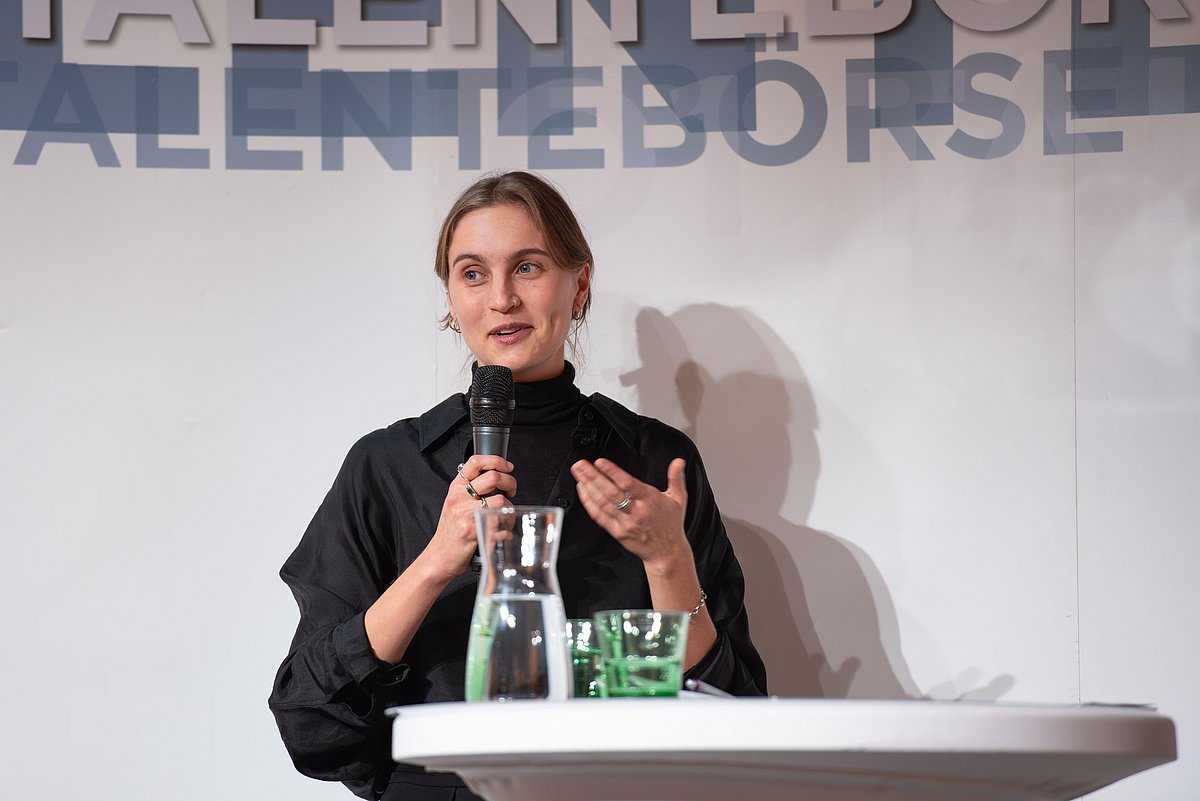
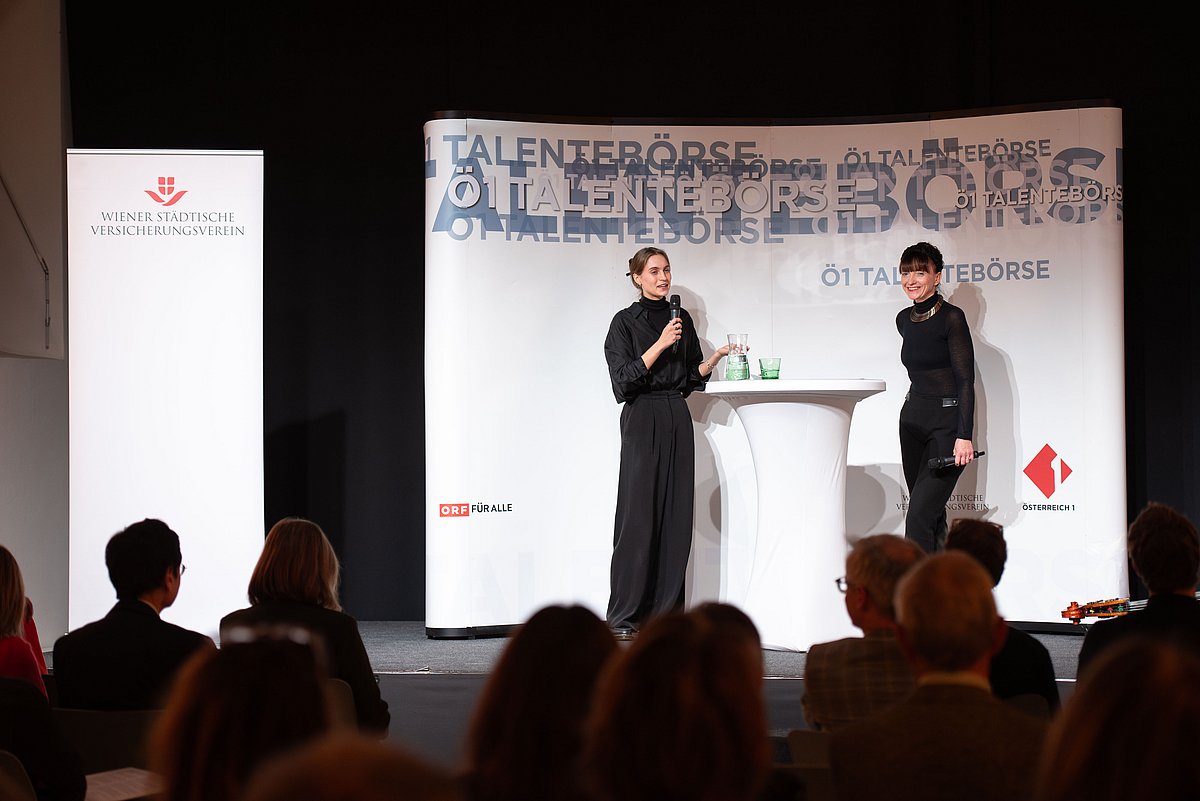
Am 9. Dezember 2025 wurde Ruth Größwang im Museumquartier Wien mit dem Ö1 Talentestipendium für bildende Kunst ausgezeichnet. Das Stipendium in der Höhe von 10.000 Euro wird mit Unterstützung des Wiener Städtischen Versicherungsvereins vergeben.
Von 10. bis 17. Dezember 2025 sind ihre Kunstwerke sowie die Arbeiten von Publikumspreisträger Clemens Gächter und den vier weiteren Shortlist-Künstler*innen in der Ausstellung "Tender Matters" zu erleben.
www.mqw.at/tender-matters
Ruth Größwang studiert Experimentelle Gestaltung an der Kunstuniversität Linz. Ihre Arbeiten erforschen psychologische, historische und ökologische Zusammenhänge, wobei sie organische Materialien verwendet. Mit einer Vorliebe für ortsspezifische Projekte und einer experimentellen Herangehensweise strebt sie danach, neue Perspektiven zu eröffnen und emotionale Reaktionen zu wecken.
“Mich interessieren psychologische, historische und ökologische Zusammenhänge, insbesondere die exzeptionalistische Haltung des Menschen gegenüber seiner Umwelt. Oft arbeite ich mit organischen Materialien wie Latex oder Algen und nutze die Anthropomorphisierung von Räumen und Objekten als gestalterisches Mittel. Die ortsspezifische Auseinandersetzung ist dabei ein zentraler Bestandteil meiner Praxis.” so Ruth Größwang
Jurybegründung:
"In Ruth Größwangs raumbezogenen Arbeiten, die sich oftmals auf die physische Substanz geschichtlich belasteter Architektur beziehen, überlagern sich Erinnerung, Körper und Material. Mit analytischer Aufmerksamkeit für historische, psychologische und ökologische Zusammenhänge nähert sie sich dem Verhältnis von Mensch und Umwelt, Schuld und Heilung. Dabei entstehen überraschende Verquickungen, in denen umweltbezogene und mediengeschichtliche Perspektiven ineinandergreifen. Etwa verknüpft sie in Posidonia den Blick auf ein marines Ökosystem mit der Ästhetik des analogen Films und schafft so eine sensible Verbindung zwischen der Klimaveränderung und dem kulturellen Vermächtnis des 20. Jahrhunderts. Die Jury zeichnet Ruth Größwang für eine künstlerische Praxis aus, die historische Reflexion, ökologische Sensibilität und formale Präzision zu einer eigenständigen, überzeugenden Bildsprache verwebt."
Philippe Batka, für die Jury
oe1.orf.at/Oe1-Talentestipendium-bildende-Kunst-2025-geht-an-Ruth-Groesswang
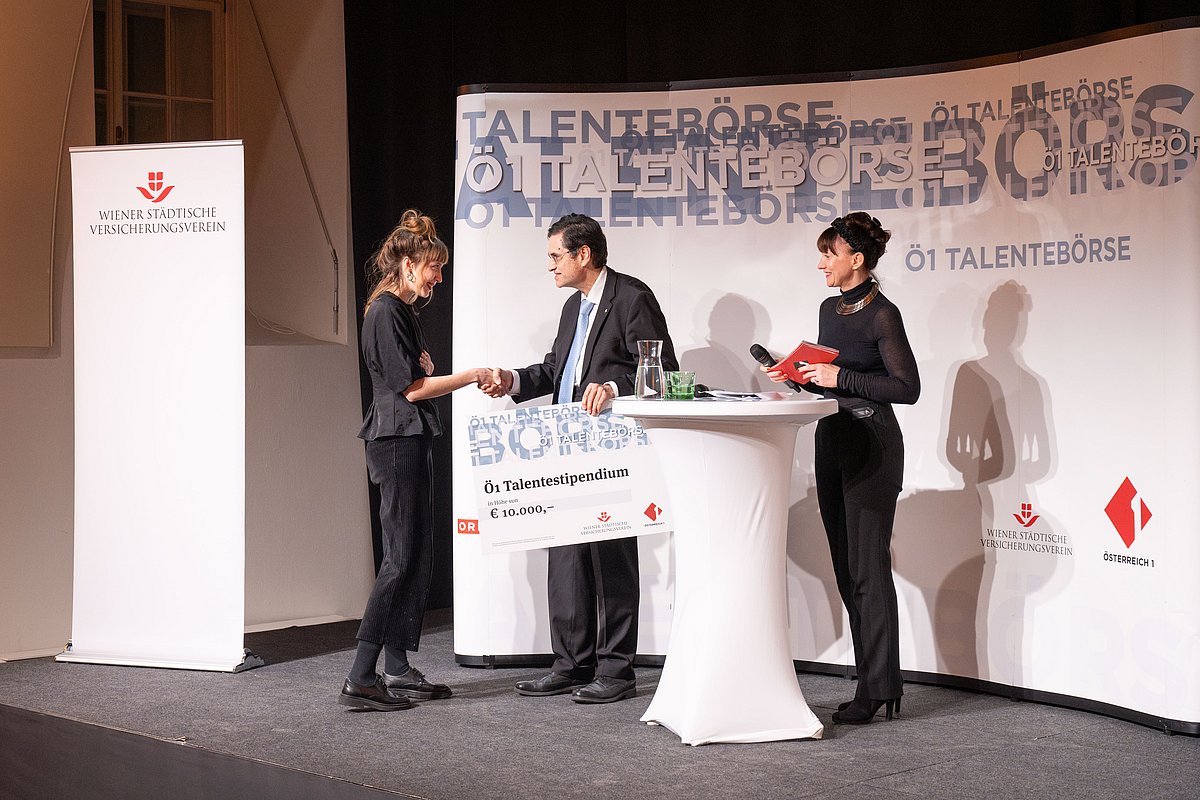
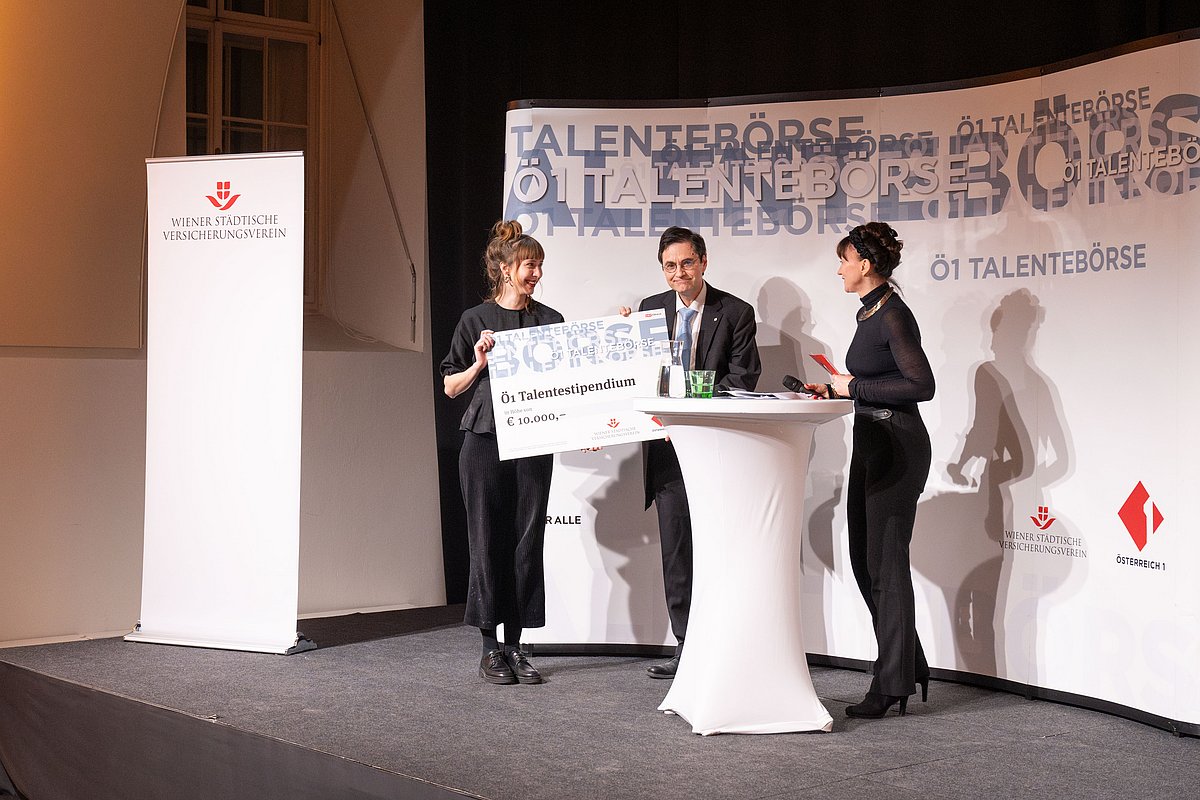
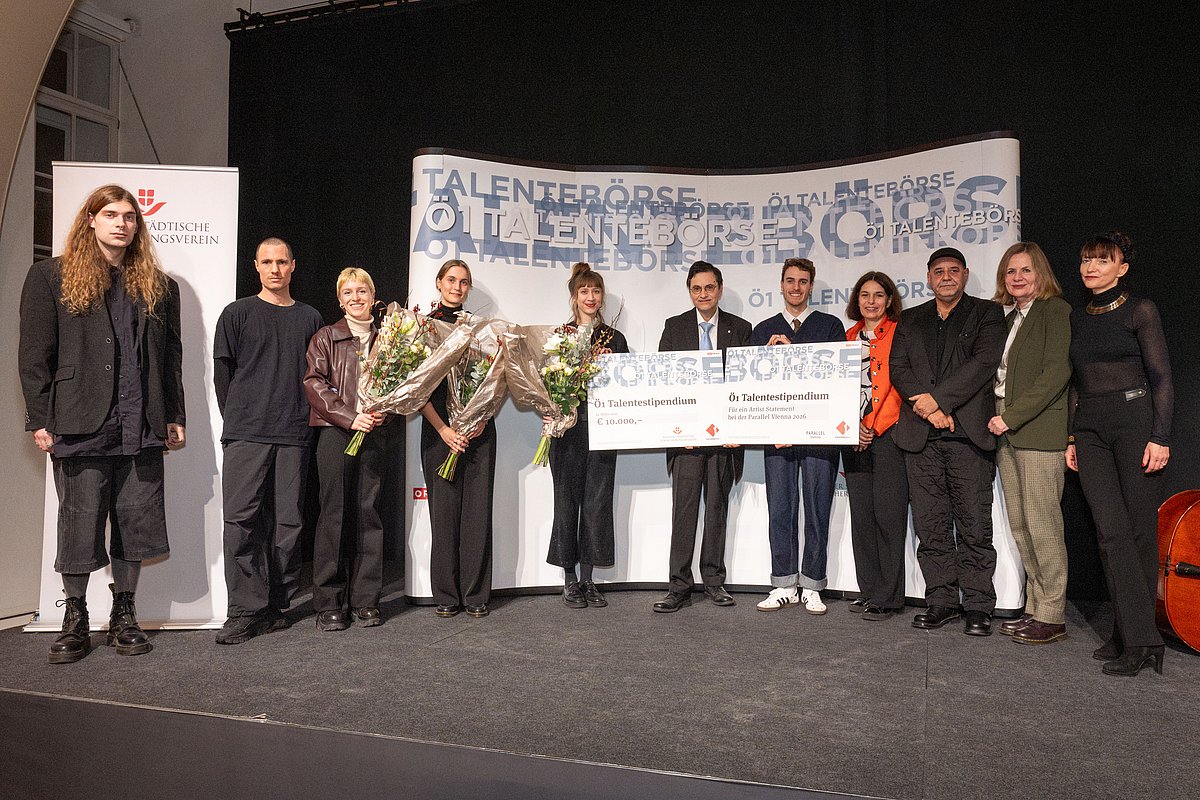
Wir gratulieren auch Jana Ehls, Studierende der Künstlerischen Fotografie. Sie war ebenfalls nominiert und auf der Shortlist.
oe1.orf.at/Jana-Ehls-Fotografie-und-Skulptur