Welcome at the Interface Culture program website.
Acting as creative artists and researchers, students learn how to advance the state of the art of current interface technologies and applications. Through interdisciplinary research and team work, they also develop new aspects of interface design including its cultural and social applications. The themes elaborated under the Master's programme in relation to interactive technologies include Interactive Environments, Interactive Art, Ubiquitous Computing, game design, VR and MR environments, Sound Art, Media Art, Web-Art, Software Art, HCI research and interaction design.

The Interface Culture program at the Linz University of Arts Department of Media was founded in 2004 by Christa Sommerer and Laurent Mignonneau. The program teaches students of human-machine interaction to develop innovative interfaces that harness new interface technologies at the confluence of art, research, application and design, and to investigate the cultural and social possibilities of implementing them.
The term "interface" is omnipresent nowadays. Basically, it describes an intersection or linkage between different computer systems that makes use of hardware components and software programs to enable the exchange and transmission of digital information via communications protocols.
However, an interface also describes the hook-up between human and machine, whereby the human qua user undertakes interaction as a means of operating and influencing the software and hardware components of a digital system. An interface thus enables human beings to communicate with digital technologies as well as to generate, receive and exchange data. Examples of interfaces in very widespread use are the mouse-keyboard interface and graphical user interfaces (i.e. desktop metaphors). In recent years, though, we have witnessed rapid developments in the direction of more intuitive and more seamless interface designs; the fields of research that have emerged include ubiquitous computing, intelligent environments, tangible user interfaces, auditory interfaces, VR-based and MR-based interaction, multi-modal interaction (camera-based interaction, voice-driven interaction, gesture-based interaction), robotic interfaces, natural interfaces and artistic and metaphoric interfaces.
Artists in the field of interactive art have been conducting research on human-machine interaction for a number of years now. By means of artistic, intuitive, conceptual, social and critical forms of interaction design, they have shown how digital processes can become essential elements of the artistic process.
Ars Electronica and in particular the Prix Ars Electronica's Interactive Art category launched in 1991 has had a powerful impact on this dialog and played an active role in promoting ongoing development in this field of research.
The Interface Cultures program is based upon this know-how. It is an artistic-scientific course of study to give budding media artists and media theoreticians solid training in creative and innovative interface design. Artistic design in these areas includes interactive art, netart, software art, robotic art, soundart, noiseart, games & storytelling and mobile art, as well as new hybrid fields like genetic art, bioart, spaceart and nanoart.
It is precisely this combination of technical know-how, interdisciplinary research and a creative artistic-scientific approach to a task that makes it possible to develop new, creative interfaces that engender progressive and innovative artistic-creative applications for media art, media design, media research and communication.
Verträge, Vereinbarungen und (faire) Bedingungen
28. April 2026, 16.00 bis 18.00 Uhr Kunstuniversität Linz, Hauptplatz 8, Hörsaal F und online
Kurzworkshop mit Martin Fritz
"Pacta sunt servanda – Verträge sind einzuhalten." Ja, wenn es sie gibt. Meist erst nach einem Konflikt wenden sich Künstler:innen, Kurator:innen, Museumsdirektor:innen oder Galerist:innen an die Rechtskundigen und wünschen Aufklärung. Was denn rechtens sei? Ob denn das Werk tatsächlich zurückerstattet werden müsse? Ob das Honorar angemessen wäre? Warum denn der Galerist nicht zahle oder wie man verhindern könne, dass das schon verkaufte Werk auch wirklich übergeben werde. Die Antwort der Jurist:innen ist meist frustrierend: "Es käme darauf an!" und vor allem: "Was war denn vereinbart?" In 75 Prozent der Fälle lautet die Antwort: "Darüber haben wir nicht gesprochen!"
Im Workshop von Martin Fritz wird darüber gesprochen: Wir erfahren, wie Verträge zustande kommen und was generell bei Vereinbarungen im Kunstbereich zu beachten ist, ganz gleich, ob sie als formeller Vertrag, als E-Mail-Korrespondenz oder mündlich geschlossen werden. Martin Fritz wird die grundlegenden rechtlichen Fragen darstellen, aber auch über ethische Fragen und Fair Pay sprechen. Die Teilnehmer:innen sind eingeladen, eigene Fragestellungen in den Workshop einzubringen.
____________________________________________________________________
Martin Fritz, seit 2022 Generalsekretär der Österreichischen UNESCO-Kommission, war nach einem Studium der Rechtswissenschaften und freier Projektarbeit in Wien unter anderem Director of Operations für die Wiedereröffnung des P.S.1 Contemporary Art Center in New York, Geschäftsführer des Kunstprojekts "In Between" der Expo 2000 und Generalkoordinator der "Manifesta 4" in Frankfurt am Main. Er leitete von 2004 bis 2009 das Festival der Regionen in Oberösterreich und von 2016 bis 2020 die MerzAkademie in Stuttgart. Seit 2021 ist Martin Fritz Lehrbeauftragter der Kunstuniversität Linz im Themenfeld „Kunst im Kontext (Geld, Recht und Fairness)“.
____________________________________________________________________
Anmeldung erforderlich: https://forms.office.com/e/deLRG077YX
____________________________________________________________________
Zu skills for art
In einem für Berufstätige praktikablen Zeitausmaß bieten wir Unterstützung für Kunstschaffende, die ihre Kenntnisse über die Selbständigkeit und diverse Aspekte einer Projekterstellung und -präsentation auffrischen, erweitern und vertiefen wollen.
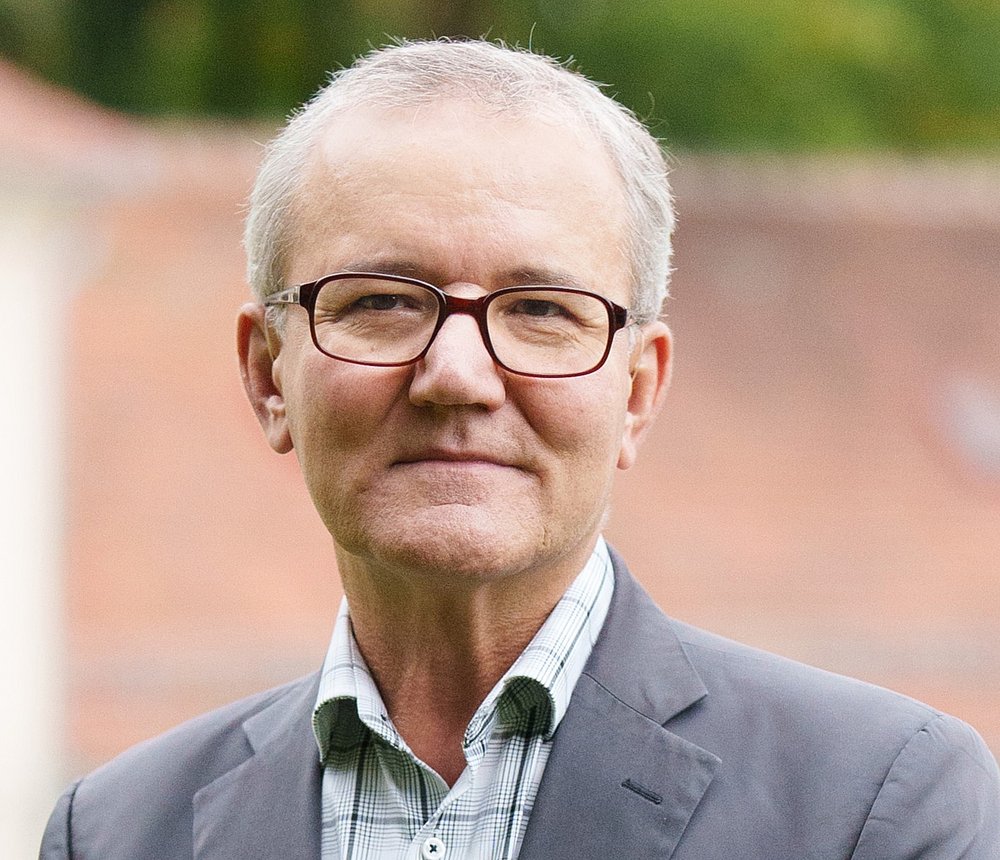
Martin Fritz, © stella