Welcome at the Interface Culture program website.
Acting as creative artists and researchers, students learn how to advance the state of the art of current interface technologies and applications. Through interdisciplinary research and team work, they also develop new aspects of interface design including its cultural and social applications. The themes elaborated under the Master's programme in relation to interactive technologies include Interactive Environments, Interactive Art, Ubiquitous Computing, game design, VR and MR environments, Sound Art, Media Art, Web-Art, Software Art, HCI research and interaction design.

The Interface Culture program at the Linz University of Arts Department of Media was founded in 2004 by Christa Sommerer and Laurent Mignonneau. The program teaches students of human-machine interaction to develop innovative interfaces that harness new interface technologies at the confluence of art, research, application and design, and to investigate the cultural and social possibilities of implementing them.
The term "interface" is omnipresent nowadays. Basically, it describes an intersection or linkage between different computer systems that makes use of hardware components and software programs to enable the exchange and transmission of digital information via communications protocols.
However, an interface also describes the hook-up between human and machine, whereby the human qua user undertakes interaction as a means of operating and influencing the software and hardware components of a digital system. An interface thus enables human beings to communicate with digital technologies as well as to generate, receive and exchange data. Examples of interfaces in very widespread use are the mouse-keyboard interface and graphical user interfaces (i.e. desktop metaphors). In recent years, though, we have witnessed rapid developments in the direction of more intuitive and more seamless interface designs; the fields of research that have emerged include ubiquitous computing, intelligent environments, tangible user interfaces, auditory interfaces, VR-based and MR-based interaction, multi-modal interaction (camera-based interaction, voice-driven interaction, gesture-based interaction), robotic interfaces, natural interfaces and artistic and metaphoric interfaces.
Artists in the field of interactive art have been conducting research on human-machine interaction for a number of years now. By means of artistic, intuitive, conceptual, social and critical forms of interaction design, they have shown how digital processes can become essential elements of the artistic process.
Ars Electronica and in particular the Prix Ars Electronica's Interactive Art category launched in 1991 has had a powerful impact on this dialog and played an active role in promoting ongoing development in this field of research.
The Interface Cultures program is based upon this know-how. It is an artistic-scientific course of study to give budding media artists and media theoreticians solid training in creative and innovative interface design. Artistic design in these areas includes interactive art, netart, software art, robotic art, soundart, noiseart, games & storytelling and mobile art, as well as new hybrid fields like genetic art, bioart, spaceart and nanoart.
It is precisely this combination of technical know-how, interdisciplinary research and a creative artistic-scientific approach to a task that makes it possible to develop new, creative interfaces that engender progressive and innovative artistic-creative applications for media art, media design, media research and communication.
DANCING LINES
Eröffnung: 19. März 2026, 18.00 Uhr; Ausstellung bis 27. März 2026 splace am Hauptplatz, Hauptplatz 6, 4020 Linz
Ein Wiedersehen mit Sang und Klang
Wolfgang Schreibelmayr, Professor der Abteilung Kunst und Gestaltung lädt zu Ausstellung, Workshops und Abschiedsfest.
Im Splace werden von 19. bis 27. März 2026 Einblicke in kunstpädagogische Lehr- und Forschungsprozesse von A. Univ. Prof. Wolfgang Schreibelmayr präsentiert. Die Veranstaltung bietet zum einen eine Rückschau über Wolfgang Schreibelmayrs Schaffen, und ist durch die Workshops, welche er auch zum Teil mit betreut, zudem eine interaktive Ausstellung.
Die aufgebauten Stationen laden Sie zum Mitmachen ein.
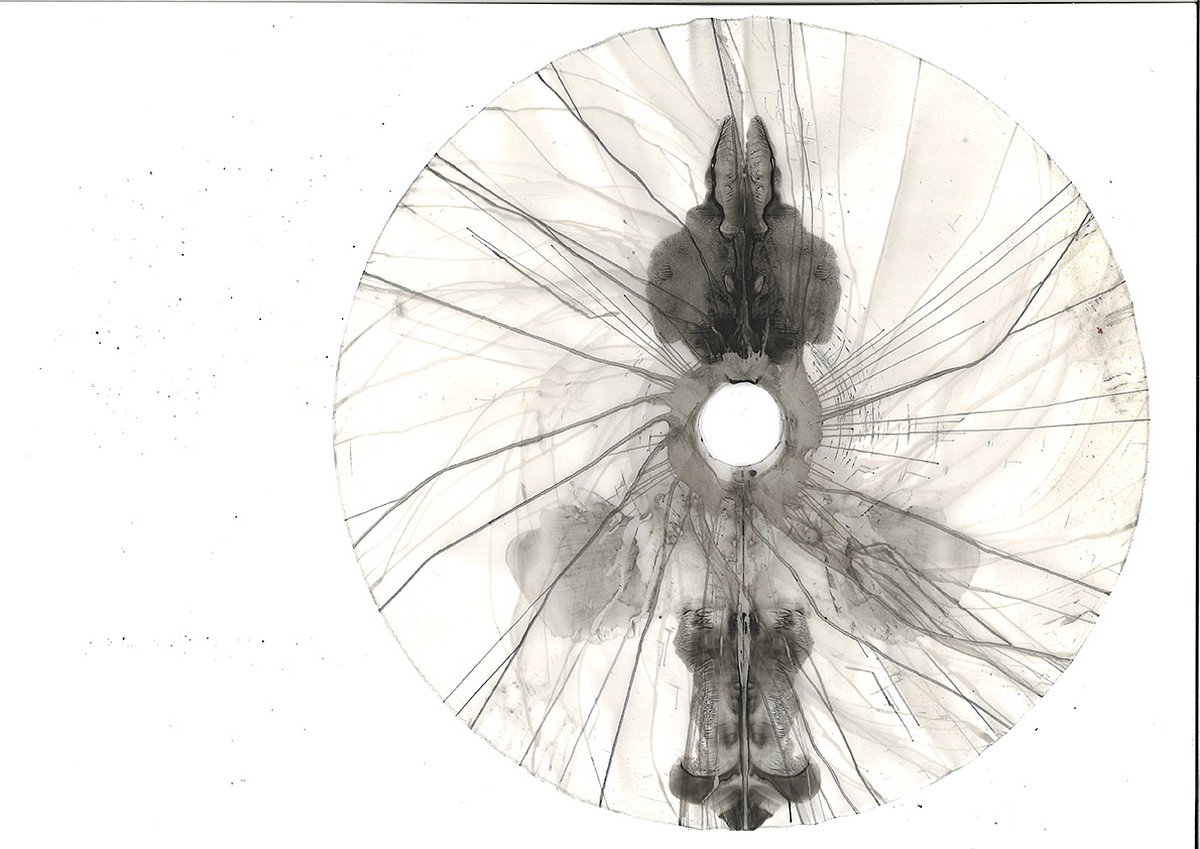
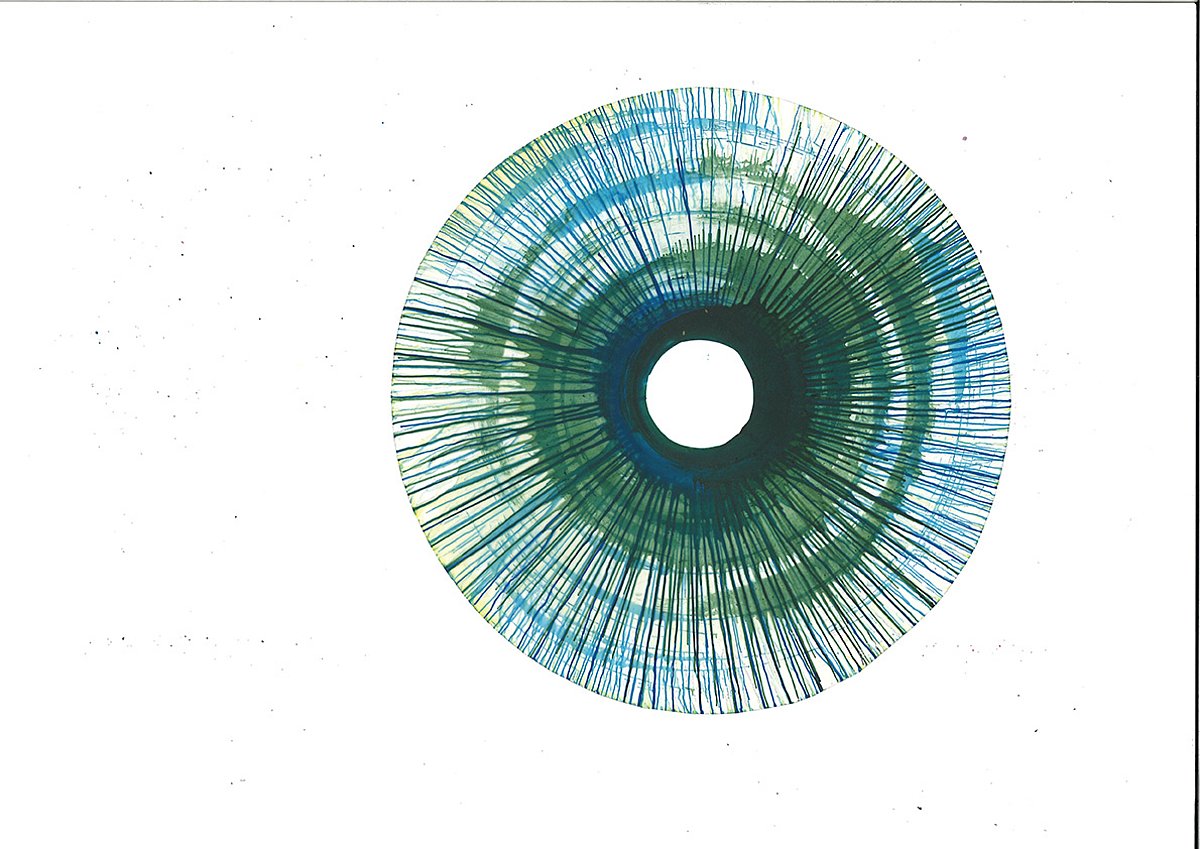
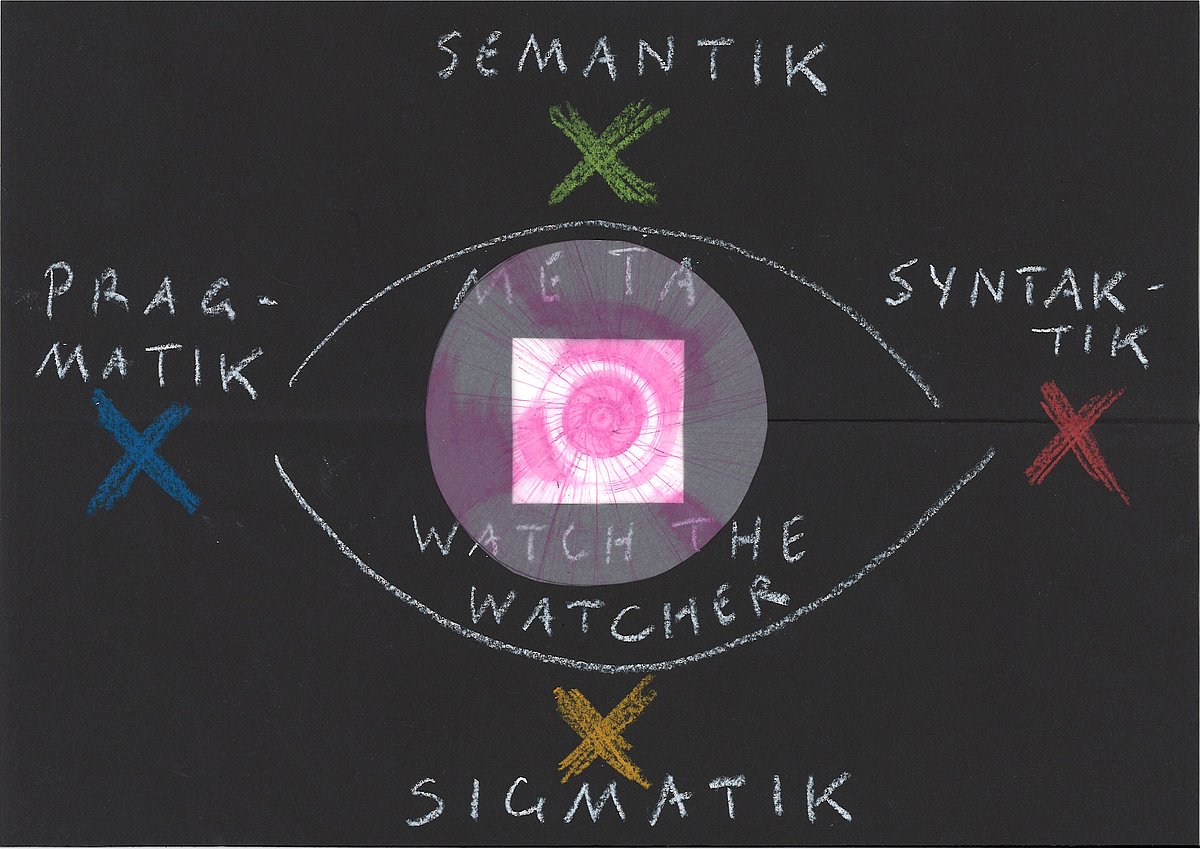
Zeichen- und Malspielplatz
Zum Experimentieren mit unterschiedlichen Zeichen- und Malapparaturen:
Spiral Drawings , Radio Controlled Vehicles , Colour-Pinball, Colour-Rotors, Decalcomania-Love, Line-Graphics und andere mehr
Schattenspiele und Licht-Raum-Träume
Shadow Games and Light-Room-Dreams, In Dreams … Einladung zum Träumen
Retrospektive Visionen
Ansichten-Einsichten-Aussichten. Zum Stöbern in Fach-Publikationen im Kontext der Kunstuniversität Linz
Termine
Do. 19.03.2026, 18.00 Uhr, Vernissage
Come together, Worte und Buffet
Fr. 20.03.2026
Ausstellung geöffnet 10.00 bis 18.00 Uhr
Zeichen- und Malspielplatz von 11.00 bis 16.00 Uhr
Mo. 23.03. bis Fr. 27.03.2026
Ausstellung geöffnet 10.00 bis 18.00 Uhr
Zeichen- und Malspielplatz von 11.00 bis 16.00 Uhr
Do. 26.03.2026 von 17.30 bis 19.00 Uhr
Live Performance The Ship – Sound and Dancing Lines
Fr. 27.03.2026, 18.00 Uhr Finissage
Live Band The Köter

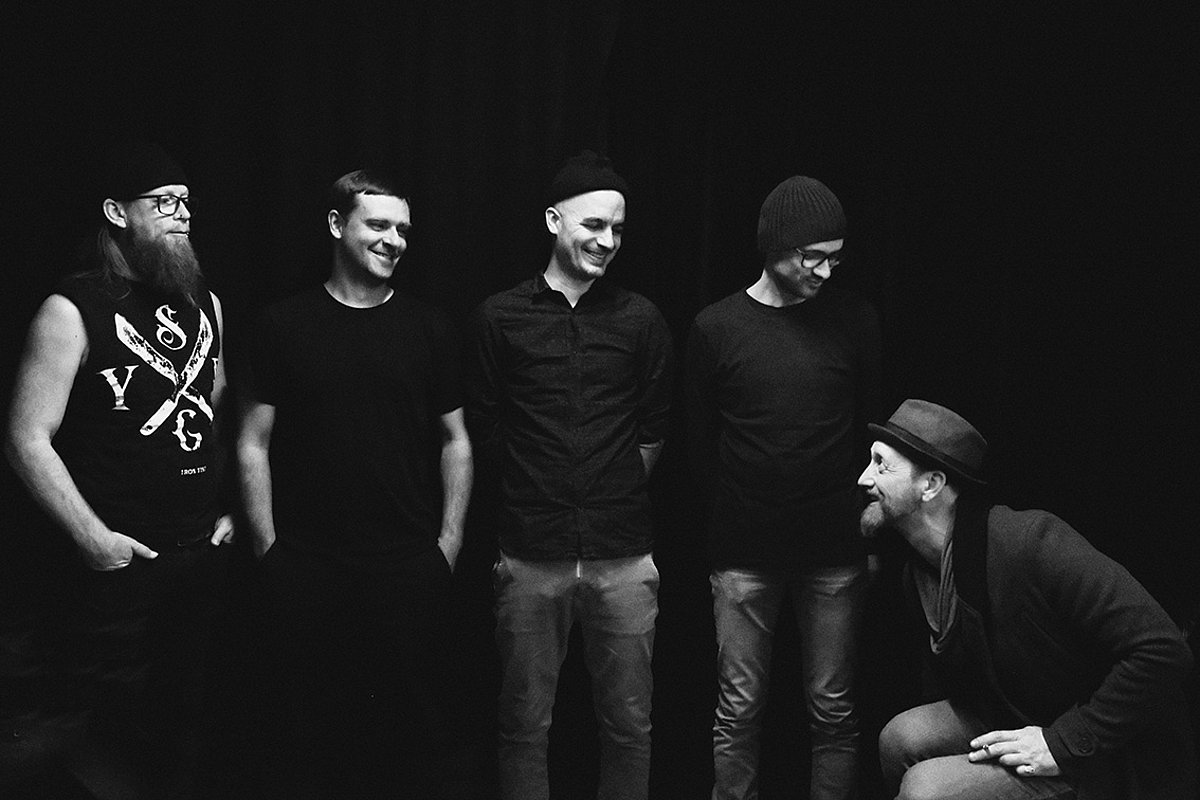
The Ship
Wolfgang Weichselbaumer – electric hurdy-gurdy, electronics
Nik Miesenberger – e-guitar, effects
Seit August 2025 mäandert The Ship durch musikalische Gewässer und erschafft durch das Zusammenspiel von elektrischer Drehleier und E-Gitarre einen eigenständigen Sound. Komposition und freies Spiel treffen in wechselnden Strömungen aufeinander. Die Musiker Wolfgang Weichselbauer und Nik Miesenberger entwickeln eine Klangästhetik, geprägt von Improvisation als elementares Gestaltungsprinzip. Zentrum des Programms ist ein langer Jam, in dem sphärische Flächen, treibende Grooves und experimentelle Geräuschstrukturen ineinanderfließen.
Wolfgang Weichselbaumer baut seit über 35 Jahren Drehleiern und spielt eines seiner eigenen Instrumente.
Nik Miesenberger spielte und komponierte für Bands wie Blue Matter, The Köter sowie Trash Charmant und prägte deren musikalisches Profil maßgeblich mit.
The Köter
Martin Primetshofer - Gesang, Gitarre, Akkordeon
Andreas Primetshofer - Bass
Christoph Obermüller - Stromgitarre
Nik Haider - Keyboards
Roman Lugmayr - Schlagzeug
The Köter ist eine Band aus Oberösterreich - genauer aus der Region rund um Linz/Eferding die seit 2001 aktiv ist und sich durch einen ganz eigenen, genre-übergreifenden Sound auszeichnet.
The Köter war in den ersten Jahren sehr erfolgreich als Tom Waits Coverband unterwegs.
Nach und nach kamen eigene Stücke dazu..…
Über die Jahre wurden mehrere Alben mit eigenen Songs veröffentlicht.
Musikstil: Eine Mischung aus bluesigem Rock, französischem Folk, mit experimentellen und psychedelischen Elementen.
Charakteristisch ist die rauhe, erzählerische Stimme von Martin Primetshofer sowie ein energiegeladener Bühnenauftritt.
YouTube: Playlist Hofbühne Tegernbach
Playlist Musikclub Lembach
Playlist KUBA Eferding
facebook: www.facebook.com/thekoeter