Erasmus+ Staff Mobility for Teaching
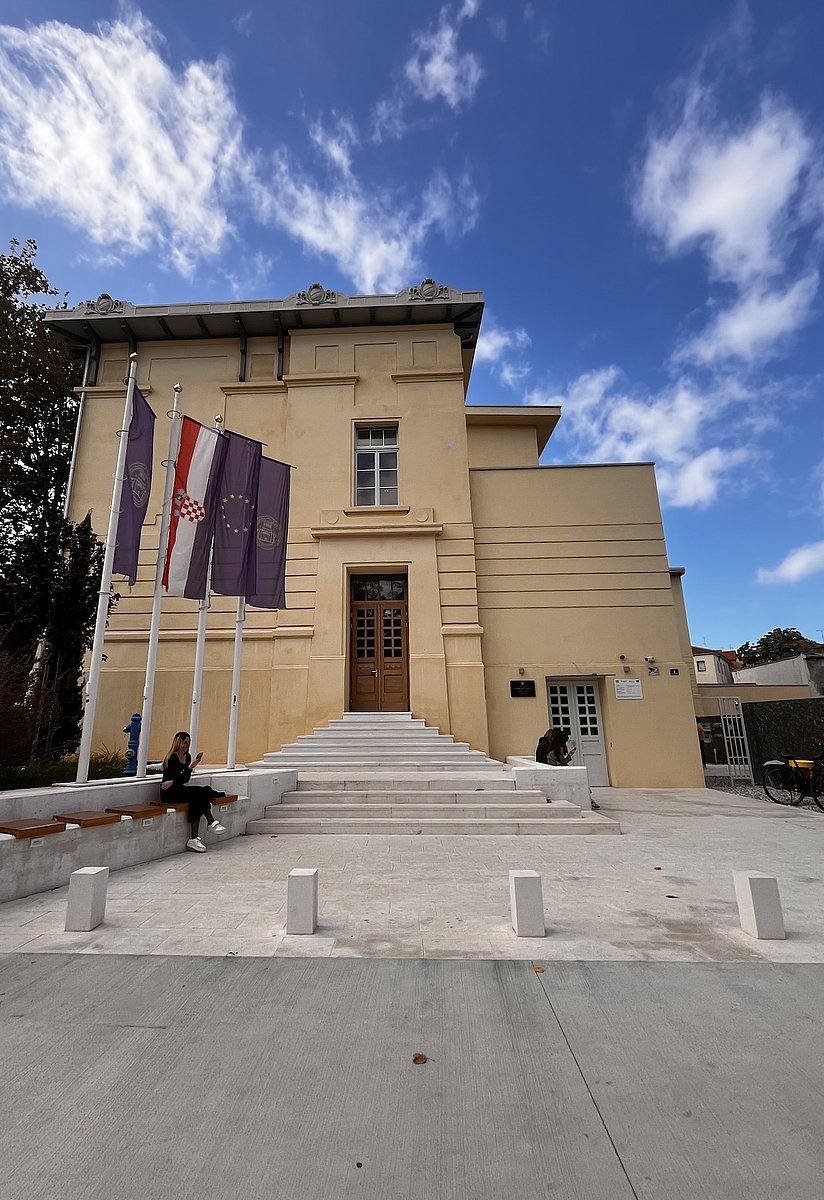
Mobility carried out at the following university / institution: University of Zadar, Croatia
Duration of stay: 27–31 October 2025
Department at the University of Arts Linz: Department of Cultural Studies
My experience / added value / outcome of the mobility:
This Erasmus+ teaching mobility was a truly inspiring and enriching experience, a week that combined teaching and exchange. It offered me the unique opportunity to teach and discuss topics that are particularly close to my heart: collaborative knowledge production as well as Island and Mediterranean Studies.
Teaching activities:
During my stay, I was invited as a guest lecturer in several courses offered by the Department of Ethnology and Anthropology:
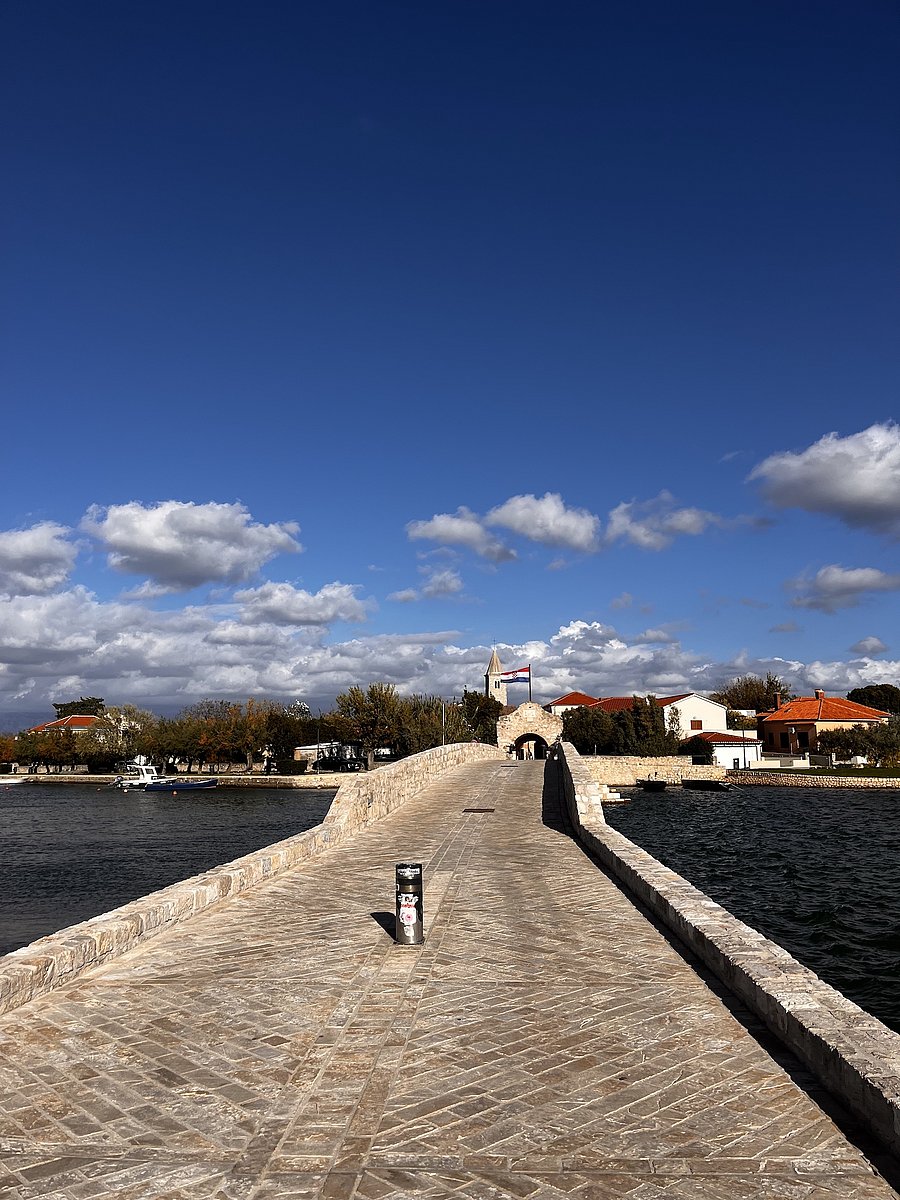
“Mediterranean Studies” – including a class visit to the Museum of Nin Antiquities, where we explored questions of Mediterranean heritage, preservation, and identity-making.
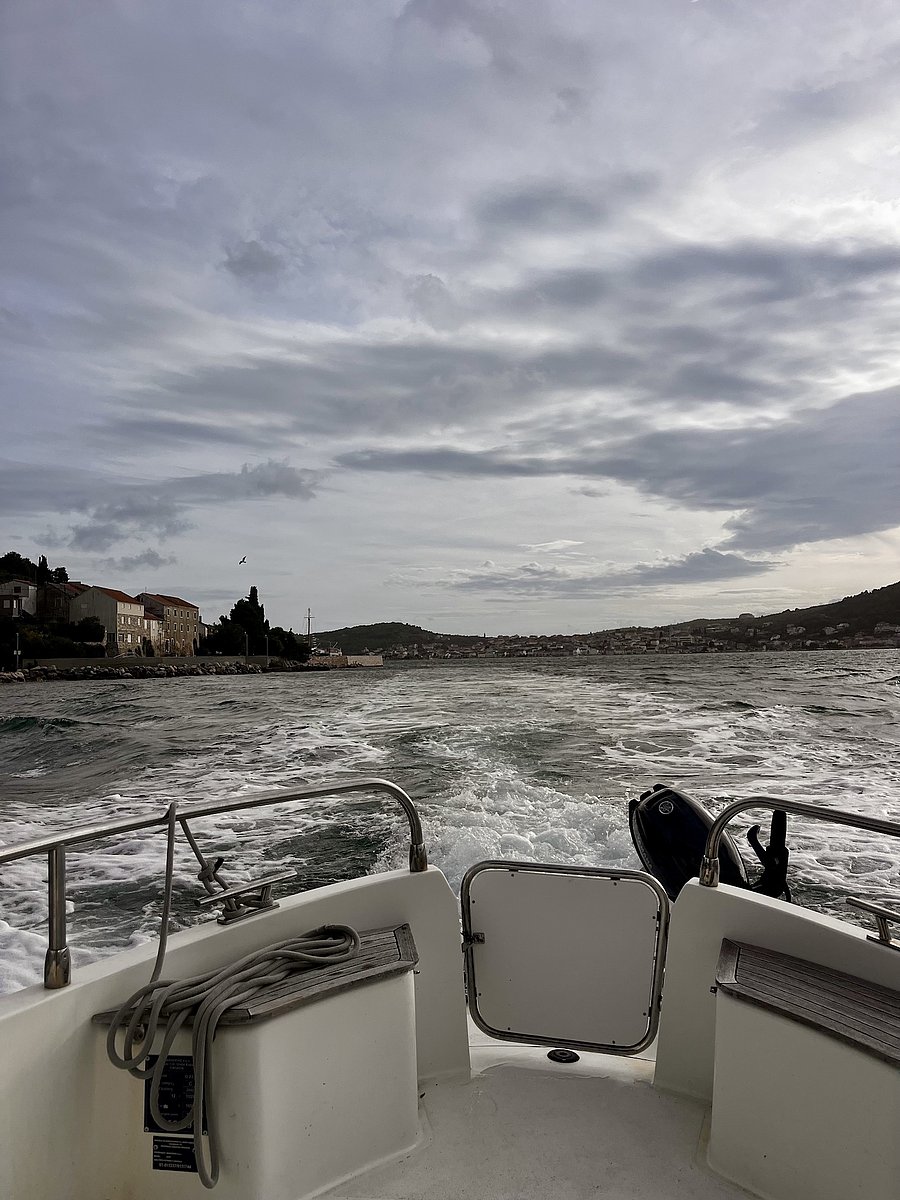
“Ethnocultural Processes in Southeast Europe” – which featured a field trip to the nearby island of Ošljak, the smallest permanently inhabited island in Croatia, to practice ethnographic methods.
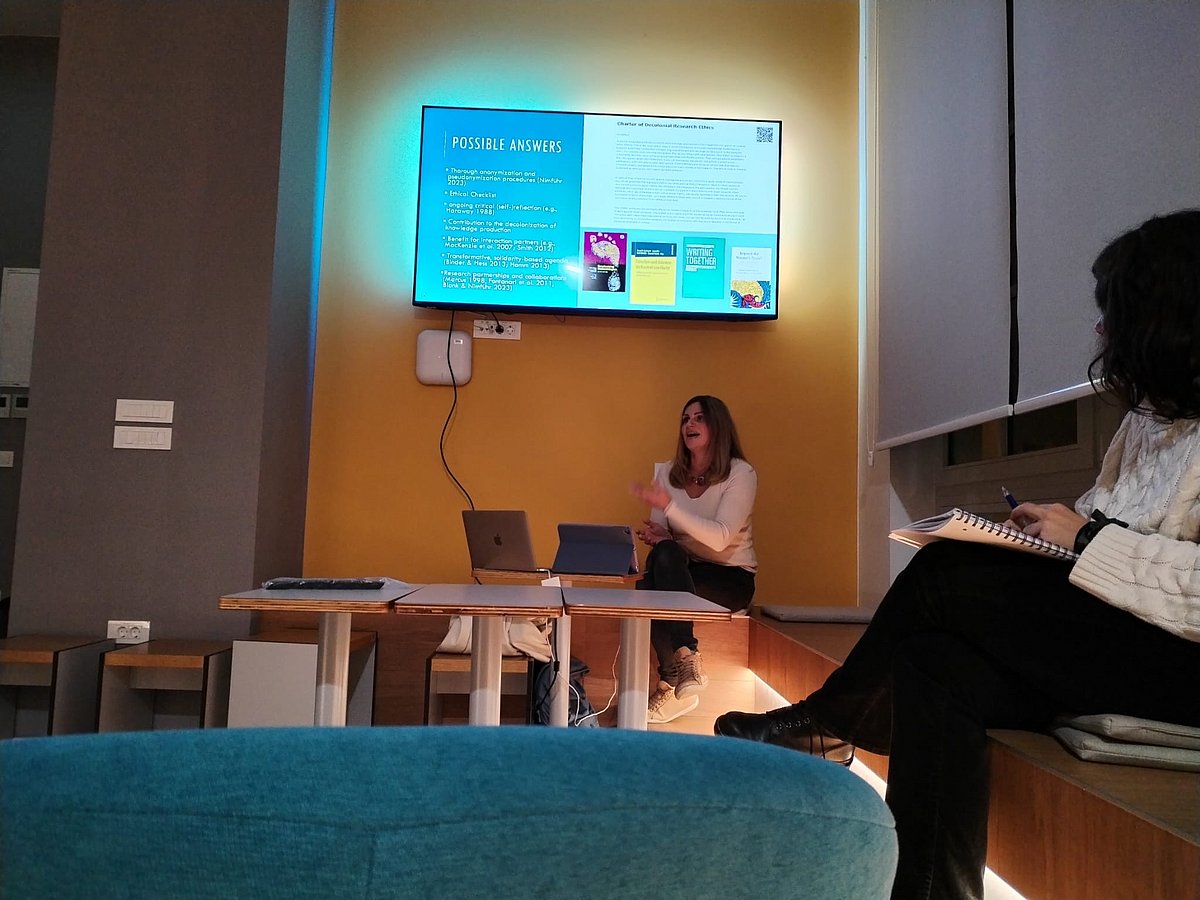
“Ethnographical Baggage” – which focused on collaborative knowledge production in forced migration research, engaging students in reflective discussions on the ethics and responsibilities of ethnographic fieldwork.
My teaching approach was deliberately ethnographic and participatory, emphasizing observation, conversation, and co-learning. The field trip to Ošljak was a highlight, participants had the chance to speak directly with island residents about their lived experiences.
The island community, currently consisting of only nine permanent residents, shared their concerns about overtourism and the lack of municipal support, which together create a double burden. They must deal on their own with the ecological and infrastructural consequences of day-tripping tourism and climatic changes: from waste left behind by visitors to collapsed walls from walking beyond marked paths, blocked piers by tourist boats, insufficient ferry connections, fallen trees, and pollution of the sea due to the absence of a sewage system. These issues directly affect their mobility and daily lives.
This encounter offered a powerful learning experience: ethnographic knowledge does not emerge from observation alone, but from listening, participation, and reflection on the complexities of local realities.
Professional and Personal Benefits
For me personally, this week provided an invaluable opportunity to expand and deepen existing networks and to gain further international teaching experience. It also allowed me to teach my topics in English, refining my ability to communicate complex theoretical and methodological questions in a multilingual classroom context.
On a professional level, the visit strengthened the basis for future collaboration. Through my Erasmus visit a new formal partnership between our universities and departments has been established. Together with colleagues at the host institution, we discussed ideas for developing joint (online) teaching modules and initiating collaborative projects on island studies and participatory ethnography, e.g., a workshop, a student project, or a publication.
These activities will not only drive innovation in teaching but also enhance the global profile of our faculty and contribute to its growing focus on transnational academic cooperation.
The administrative support from both the receiving and the sending institutions was excellent. I would like to express my sincere thanks to Regina Dicketmüller from the International Office at the University of Arts Linz for her outstanding assistance and guidance both before and after the mobility.
Reflections and Message to Colleagues
Beyond the formal framework of Erasmus+ mobility, such visits offer something deeper: the chance to truly get to know colleagues and their academic environments, their research interests, didactical approaches, and institutional cultures. These informal exchanges often become the foundation for sustainable collaboration and long-term friendship.
I would wholeheartedly encourage colleagues to take part in similar teaching mobilities. They remind us that academic exchange is not only about teaching elsewhere, but about being taught anew, by students, peers, and the places themselves.