Welcome at the Interface Culture program website.
Acting as creative artists and researchers, students learn how to advance the state of the art of current interface technologies and applications. Through interdisciplinary research and team work, they also develop new aspects of interface design including its cultural and social applications. The themes elaborated under the Master's programme in relation to interactive technologies include Interactive Environments, Interactive Art, Ubiquitous Computing, game design, VR and MR environments, Sound Art, Media Art, Web-Art, Software Art, HCI research and interaction design.

The Interface Culture program at the Linz University of Arts Department of Media was founded in 2004 by Christa Sommerer and Laurent Mignonneau. The program teaches students of human-machine interaction to develop innovative interfaces that harness new interface technologies at the confluence of art, research, application and design, and to investigate the cultural and social possibilities of implementing them.
The term "interface" is omnipresent nowadays. Basically, it describes an intersection or linkage between different computer systems that makes use of hardware components and software programs to enable the exchange and transmission of digital information via communications protocols.
However, an interface also describes the hook-up between human and machine, whereby the human qua user undertakes interaction as a means of operating and influencing the software and hardware components of a digital system. An interface thus enables human beings to communicate with digital technologies as well as to generate, receive and exchange data. Examples of interfaces in very widespread use are the mouse-keyboard interface and graphical user interfaces (i.e. desktop metaphors). In recent years, though, we have witnessed rapid developments in the direction of more intuitive and more seamless interface designs; the fields of research that have emerged include ubiquitous computing, intelligent environments, tangible user interfaces, auditory interfaces, VR-based and MR-based interaction, multi-modal interaction (camera-based interaction, voice-driven interaction, gesture-based interaction), robotic interfaces, natural interfaces and artistic and metaphoric interfaces.
Artists in the field of interactive art have been conducting research on human-machine interaction for a number of years now. By means of artistic, intuitive, conceptual, social and critical forms of interaction design, they have shown how digital processes can become essential elements of the artistic process.
Ars Electronica and in particular the Prix Ars Electronica's Interactive Art category launched in 1991 has had a powerful impact on this dialog and played an active role in promoting ongoing development in this field of research.
The Interface Cultures program is based upon this know-how. It is an artistic-scientific course of study to give budding media artists and media theoreticians solid training in creative and innovative interface design. Artistic design in these areas includes interactive art, netart, software art, robotic art, soundart, noiseart, games & storytelling and mobile art, as well as new hybrid fields like genetic art, bioart, spaceart and nanoart.
It is precisely this combination of technical know-how, interdisciplinary research and a creative artistic-scientific approach to a task that makes it possible to develop new, creative interfaces that engender progressive and innovative artistic-creative applications for media art, media design, media research and communication.
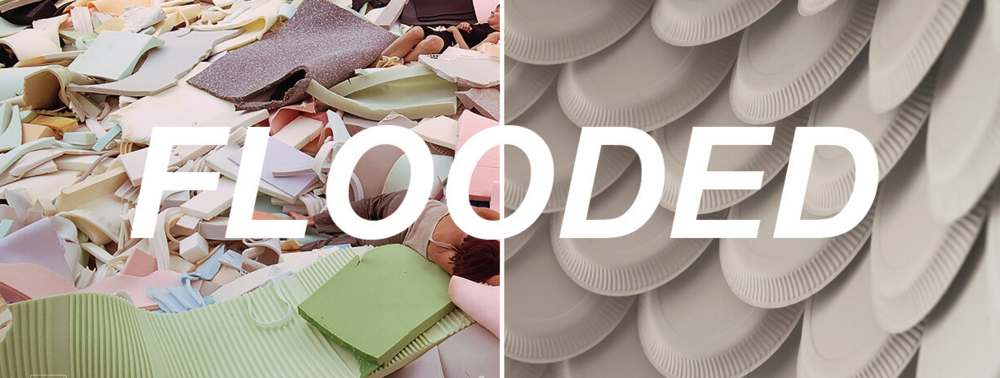
FLOODED Ilona Ágnes Tömő und Josef Trattner
Eröffnung: 7. September 2026, 19.00 Uhr; bis 2. Oktober 2026 MAERZ Künstler- und Künstlerinnenvereinigungg, Eisenbahngasse 20, Linz
Grußworte: Margot Nazzal, Direktorin Kultur und Gesellschaft, Land Oberösterreich
Einführung in die Ausstellung: Georg Wilbertz (Architektur- und Kunsthistoriker)
Klangbegleitung Trattner-Aktion: Werner Puntigam (Posaune)
Finissage: Freitag, 2. Oktober, ab 17:00 Uhr
(Ilona Ágnes Tömő und Josef Trattner sind anwesend)
Konzert im Rahmen der Finissage ab 19:00: RHYTHMUS ABSURD I für Schlagquartett und Tänzerin (Sparte Musik MAERZ).
Mitwirkende: Pulsar Ensemble (Schlagquartett, künstlerische Leitung Christoph Sietzen), Sonja Stojanović – Tanzperformance
Die Ausstellung FLOODED verknüpft zwei künstlerische Positionen, deren gemeinsamer Bezugspunkt die Ausstellungsräume der MAERZ sind.
Die Installationen von Tömő und Trattner sind im Wortsinn raumgreifend: Charakteristika des Raums wie Volumen, Proportion, Weg, Licht etc. werden aufgenommen und mit den gezeigten Werken in spannungsreiche Beziehungen gesetzt. Die dabei erzielten Wirkungen reichen von harmonischem Einklang bis zu konfrontativen Momenten. Partiell durchdringen sich die Arbeiten, so dass die gesamte MAERZ zum Raum eines fließenden, flutenden Werkgeschehens wird. FLOODED bietet den Besucher:innen ein ästhetisches, überaus dynamisches und umfassendes Raumerleben.
Ilona Ágnes Tömő (*1975) arbeitet in den letzten Jahren vornehmlich mit Alltagsmaterialien (u.a. Kaffeefiltern, Papptellern), die in aufwendigen Herstellungsprozessen zu großformatigen, auf den ersten Blick monochrom wirkenden Installationen verbunden werden. In ihren Arbeiten werden Strukturen, Rhythmus und Überlagerungen in organische Bewegungen überführt. Diese stehen mit dem sie umgebenden Raum in einer intensiven Beziehung. Auch wenn sich ornamentale Wirkungen ergeben, ist das Ziel nicht die Herstellung eines harmonischen, konfliktfreien Zustands. Bewegungsbrüche und Strukturstörungen erzeugen eine bewusst gesteuerte Dynamik der Irritation.
Josef Trattner (*1955) wählt als eines seiner Hauptmaterialien immer wieder Schaumstoff. Dieses scheinbar alltägliche Material verwendet er u.a. in rauminszenatorischen, überbordenden Installationen. Diese heben bewusst den Unterschied zwischen Raum, Werk und Betrachtenden auf. Die so inszenierten Räume werden zu interaktiven, sozialen Orten, ermöglichen Begegnung und Dialog. Man kann sich in und mit dem Material bewegen und das Werk als Ganzes körperlich „erobern“. Hinzu treten in FLOODED „klassisch“ skulpturale Arbeiten, deren museale Aura und die ihnen immanente Räumlichkeit spürbare Kontraste zur raumgreifenden Schaumstoffinstallation bilden.
https://maerz.at/flooded-ilona-agnes-toemo-und-josef-trattner/