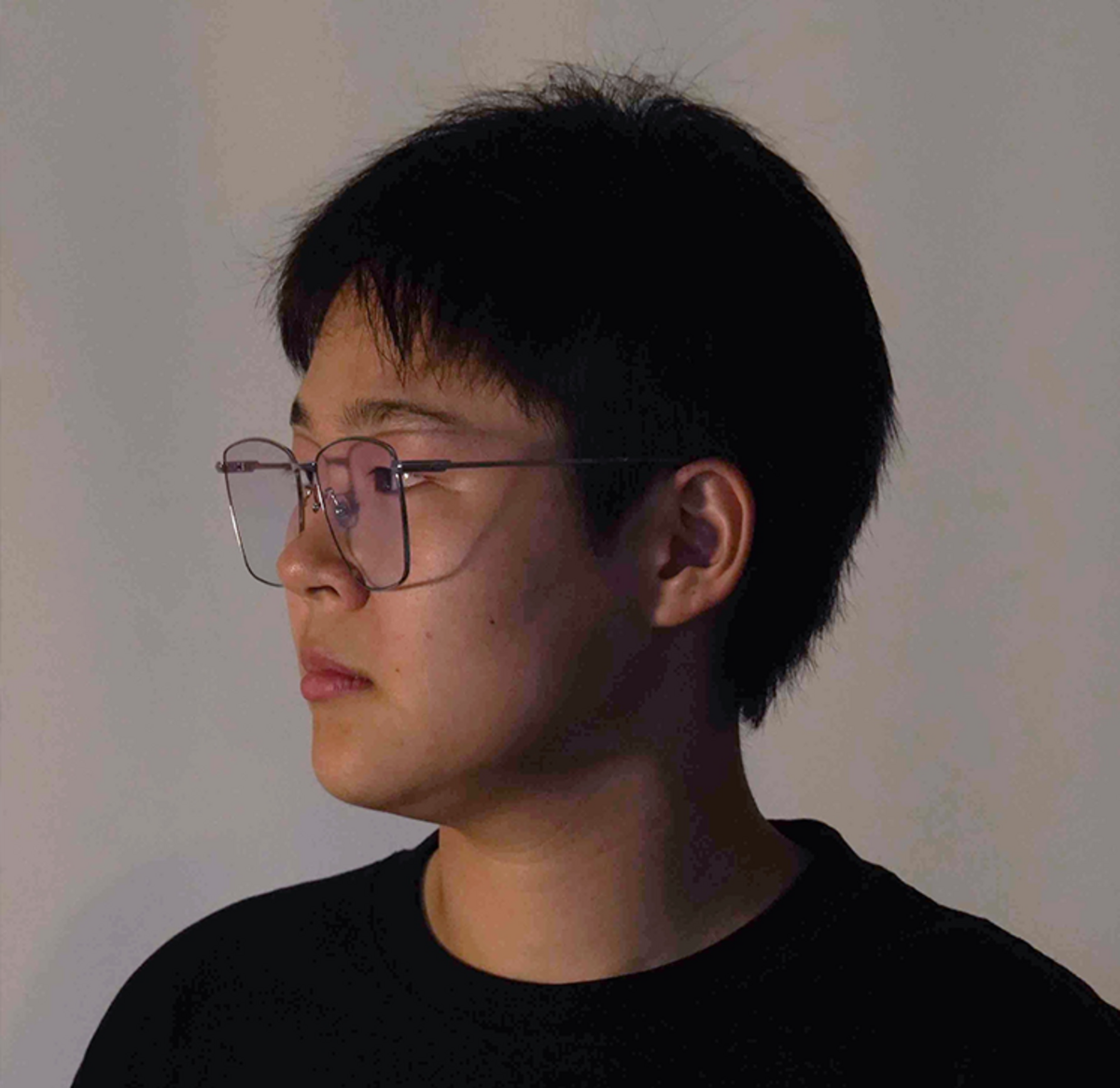
Qingyi Ren
As digital spaces and technologies increasingly shape our daily interactions and self-expression, understanding the intersection of technology and identity becomes crucial. “Queerness as Gap” is a practice-based, artistic research project that investigates the impact of digital interfaces and artificial intelligence on queerness in online environments, focusing particularly on the restrictions that these technologies reproduce or introduce. Drawing on research in Science and Technology Studies (STS), media studies, and communication studies, the project uses artistic research to explore how machine learning technologies—such as facial recognition software, neural machine translation, and conversational AI—influence and constrain the expression of queerness online. The findings will enhance our theoretical and practical understanding of the relationship between technology and society—particularly as it pertains to marginalized groups—and propose a definition of queerness through the gap created by digital interfaces and AI.
PhD Project
Queerness as Gap—An artistic research project on how digital interfaces restrict queerness and how it can be reclaimed
As digital spaces and technologies increasingly shape our daily interactions and self-expression, understanding the intersection of technology and identity becomes crucial. “Queerness as Gap” is a practice-based, artistic research project that investigates the impact of digital interfaces and artificial intelligence on queerness in online environments, focusing particularly on the restrictions that these technologies reproduce or introduce. Drawing on research in Science and Technology Studies (STS), media studies, and communication studies, the project uses artistic research to explore how machine learning technologies—such as facial recognition software, neural machine translation, and conversational AI—influence and constrain the expression of queerness online. The findings will enhance our theoretical and practical understanding of the relationship between technology and society—particularly as it pertains to marginalized groups—and propose a definition of queerness through the gap created by digital interfaces and AI.