Tiles & Tales
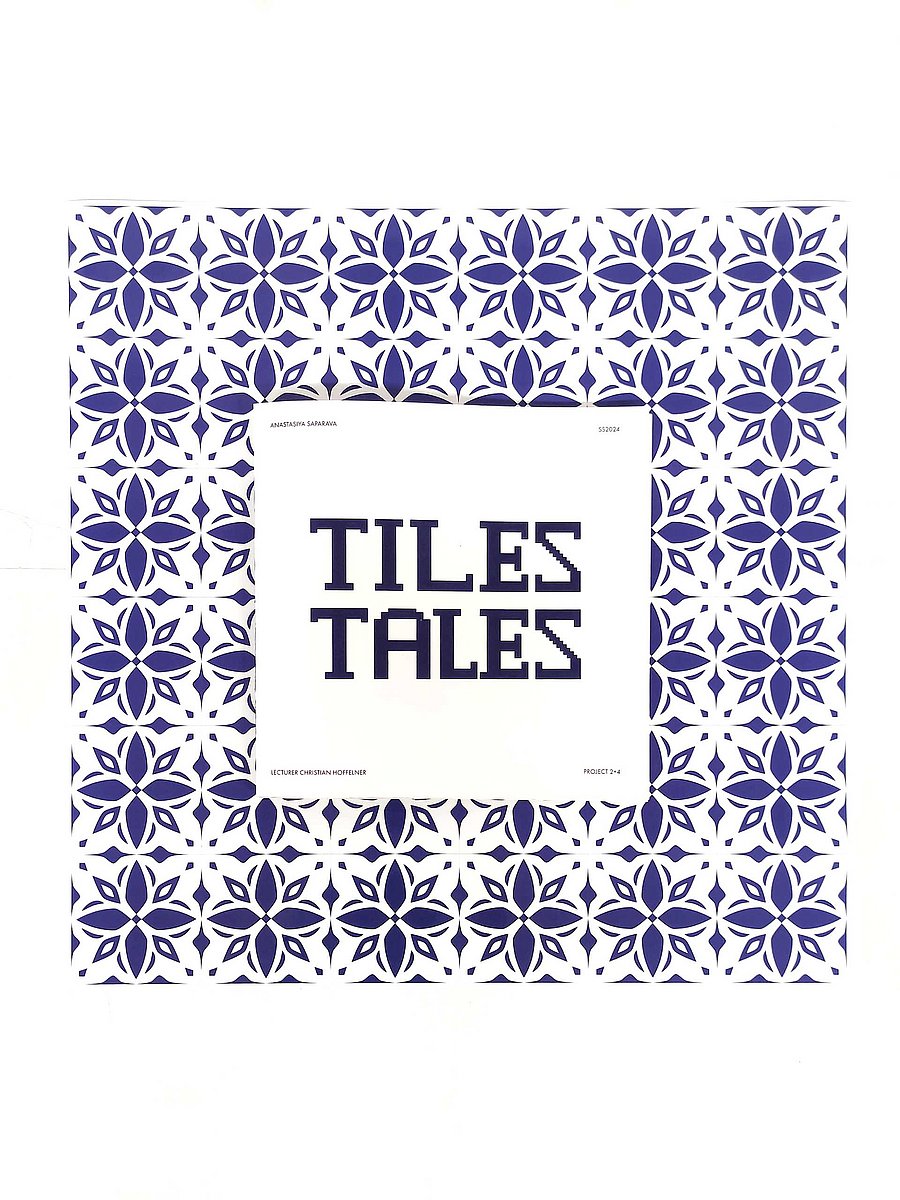
Tiles Tales is a participatory visual storytelling project that explores how abstract and symbolic imagery can be used to communicate personal and universal narratives. The project began from a very simple starting point, a blue ballpoint pen, and from observing how people use writing and drawing as tools to transmit meaning. This initial impulse led to a broader investigation into how humans record, translate, and share experiences through signs, from letters and pictograms to emojis and digital symbols.
At the core of the project lies a semiotic research process that examines the human desire to represent life through symbolic systems. From ancient hieroglyphs and religious iconography to folk motifs and contemporary visual languages, people have always sought ways to compress complex emotions, memories, and stories into recognizable forms. Tiles Tales builds on this long tradition while reinterpreting it for a contemporary, participatory context.
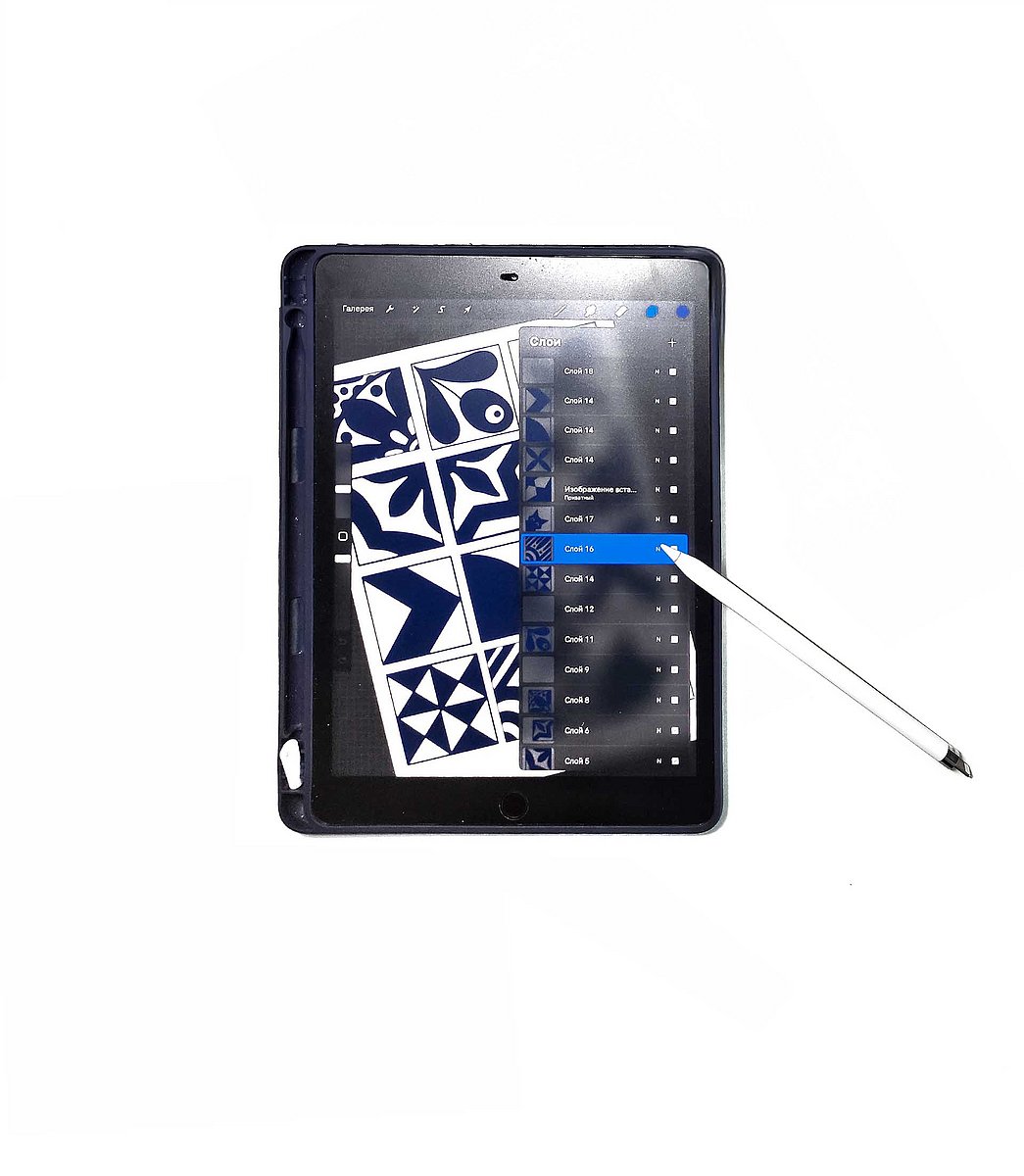
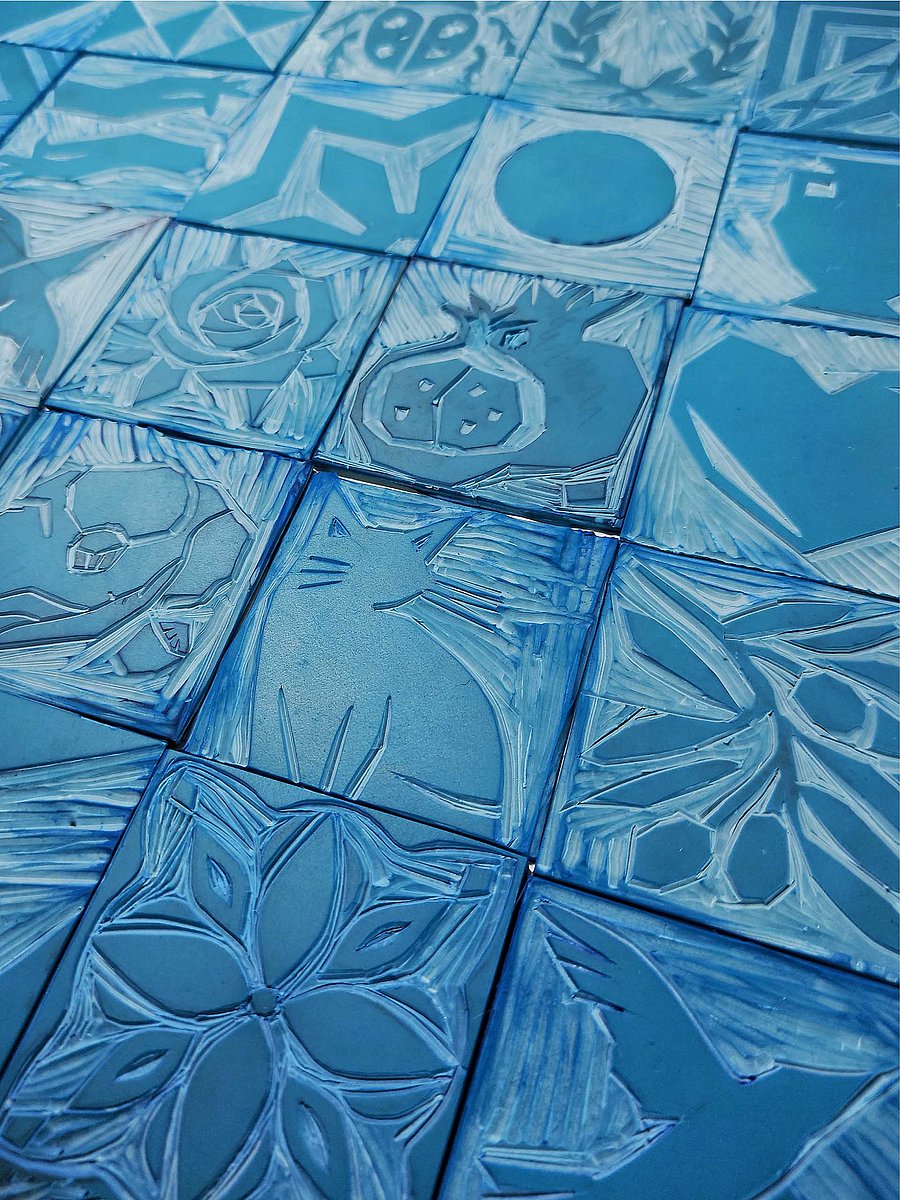
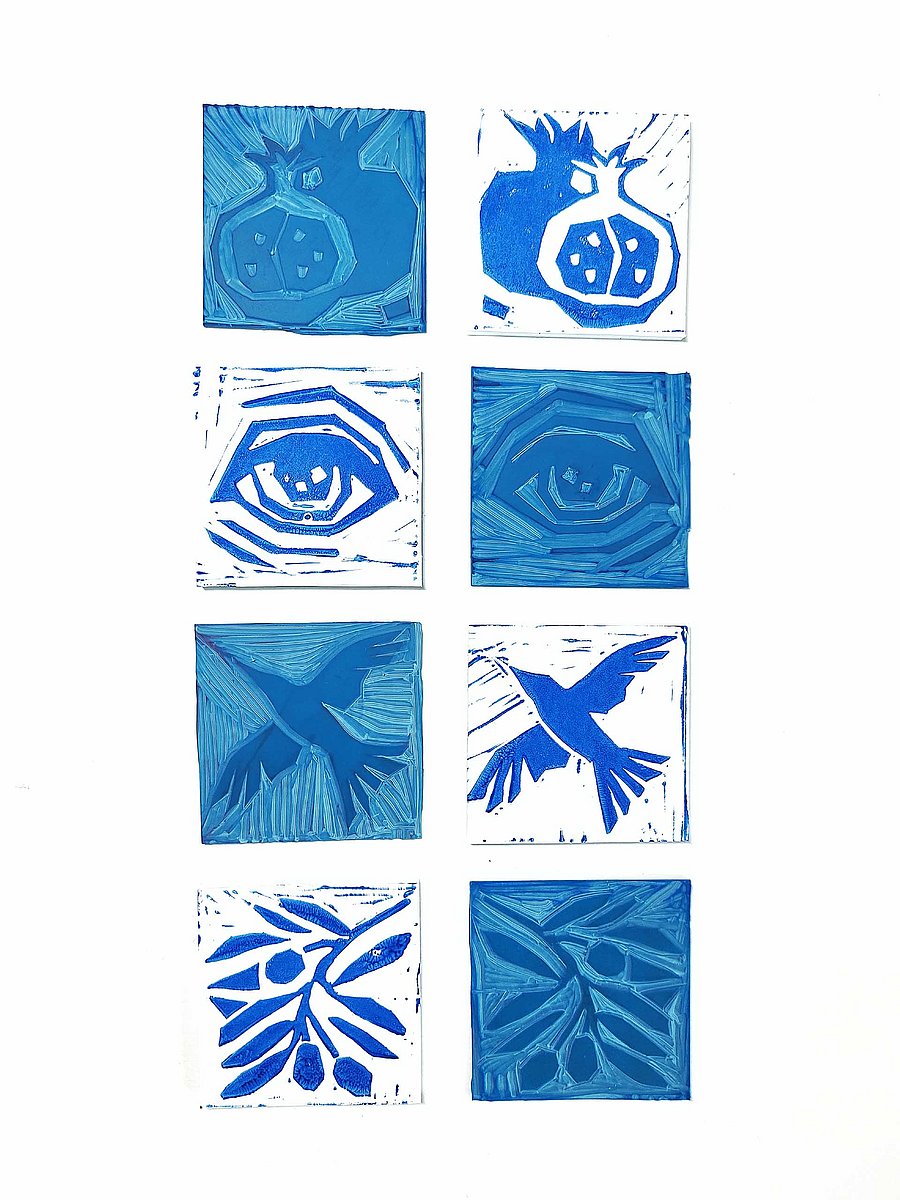
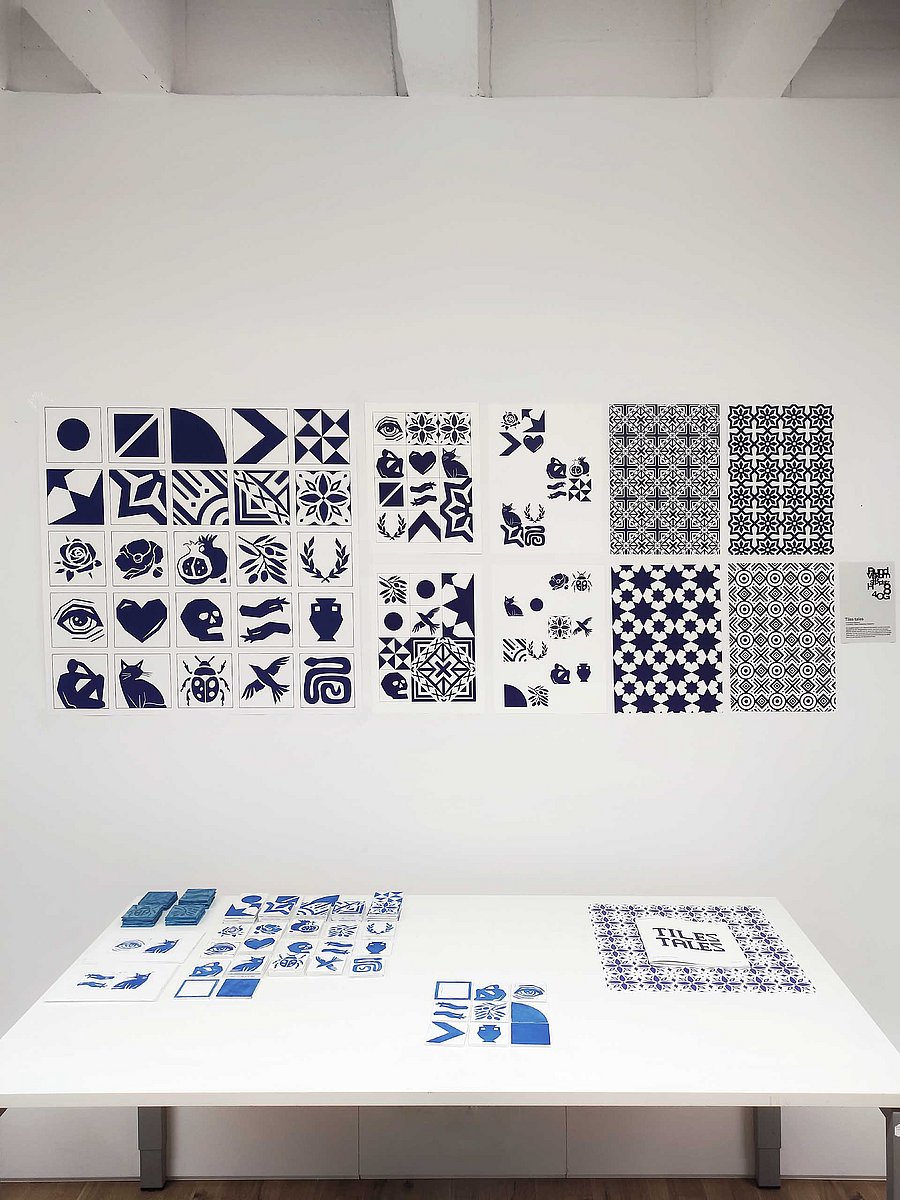
The project began with a research phase, followed by the creation of a set of vector-based symbols. These were later translated into 26 hand-carved linocut icons, each reflecting a concept relevant to contemporary life. The icons are categorized into five groups, geometric, rotational, natural, character-based, and object-based, and were designed to function as a modular system. This allows them to be rearranged, recombined, and reinterpreted in endless ways. Another important motivation behind the project was the intention to create a visual system that could function across languages and cultural contexts. Tiles Tales was designed to be internationally accessible, allowing people to engage with it without relying on a specific spoken or written language. Instead, meaning emerges through shared emotions, personal experience, and intuitive associations, making the project understandable and usable for a wide range of audiences.
The printed tiles are accompanied by a booklet that describes each symbol’s interpretive range, encouraging viewers to imagine their own stories rather than follow a fixed narrative. All icons were also digitized into a custom typeface, expanding the project into the digital realm and allowing the system to be used in new contexts.
During the final university presentation, visitors were invited to assemble their own visual narratives using the printed tiles on a large interactive surface. This hands-on approach reinforced the central idea of the project, that storytelling is a shared process, and that visual elements can activate personal interpretation. In addition, a collection of red postcards, mini visual stories created by students from diverse cultural backgrounds, was displayed, offering intimate glimpses into individual experiences translated into symbolic form.
In future exhibitions, Tiles Tales can include a linocut printing workshop where participants select from the existing tile icons to print their own symbolic postcards. These prints will be based on their personal stories, allowing them to express emotion and meaning through a combination of curated imagery and intuitive composition. This accessible and tactile activity invites the audience to become both storytellers and makers, engaging directly with the project’s visual language.
Another possible stage of the project’s development is the creation of an interactive website where users can compose and share their stories online using the same symbolic system. This would extend Tiles Tales into a digital, networked space, enabling cross-cultural exchange and continuous growth of the visual archive. Tiles Tales bridges analog craft and digital tools, individual perspective and collective meaning. It remains an evolving platform for shared storytelling, open to expansion through new contributions and interpretations from around the world.