Welcome at the Interface Culture program website.
Acting as creative artists and researchers, students learn how to advance the state of the art of current interface technologies and applications. Through interdisciplinary research and team work, they also develop new aspects of interface design including its cultural and social applications. The themes elaborated under the Master's programme in relation to interactive technologies include Interactive Environments, Interactive Art, Ubiquitous Computing, game design, VR and MR environments, Sound Art, Media Art, Web-Art, Software Art, HCI research and interaction design.

The Interface Culture program at the Linz University of Arts Department of Media was founded in 2004 by Christa Sommerer and Laurent Mignonneau. The program teaches students of human-machine interaction to develop innovative interfaces that harness new interface technologies at the confluence of art, research, application and design, and to investigate the cultural and social possibilities of implementing them.
The term "interface" is omnipresent nowadays. Basically, it describes an intersection or linkage between different computer systems that makes use of hardware components and software programs to enable the exchange and transmission of digital information via communications protocols.
However, an interface also describes the hook-up between human and machine, whereby the human qua user undertakes interaction as a means of operating and influencing the software and hardware components of a digital system. An interface thus enables human beings to communicate with digital technologies as well as to generate, receive and exchange data. Examples of interfaces in very widespread use are the mouse-keyboard interface and graphical user interfaces (i.e. desktop metaphors). In recent years, though, we have witnessed rapid developments in the direction of more intuitive and more seamless interface designs; the fields of research that have emerged include ubiquitous computing, intelligent environments, tangible user interfaces, auditory interfaces, VR-based and MR-based interaction, multi-modal interaction (camera-based interaction, voice-driven interaction, gesture-based interaction), robotic interfaces, natural interfaces and artistic and metaphoric interfaces.
Artists in the field of interactive art have been conducting research on human-machine interaction for a number of years now. By means of artistic, intuitive, conceptual, social and critical forms of interaction design, they have shown how digital processes can become essential elements of the artistic process.
Ars Electronica and in particular the Prix Ars Electronica's Interactive Art category launched in 1991 has had a powerful impact on this dialog and played an active role in promoting ongoing development in this field of research.
The Interface Cultures program is based upon this know-how. It is an artistic-scientific course of study to give budding media artists and media theoreticians solid training in creative and innovative interface design. Artistic design in these areas includes interactive art, netart, software art, robotic art, soundart, noiseart, games & storytelling and mobile art, as well as new hybrid fields like genetic art, bioart, spaceart and nanoart.
It is precisely this combination of technical know-how, interdisciplinary research and a creative artistic-scientific approach to a task that makes it possible to develop new, creative interfaces that engender progressive and innovative artistic-creative applications for media art, media design, media research and communication.
Angela Eisenköck | Anna Maria Brandstätter
Eröffnung: 29. August 2026, 18.00 Uhr; zu sehen bis 1. Nov. 2026 Galerie Gut Gasteil, 2640 Prigglitz, Gasteil 1
Zu den Arbeiten spricht: Carl Aigner (Autor, Kunsthistoriker, Kurator)
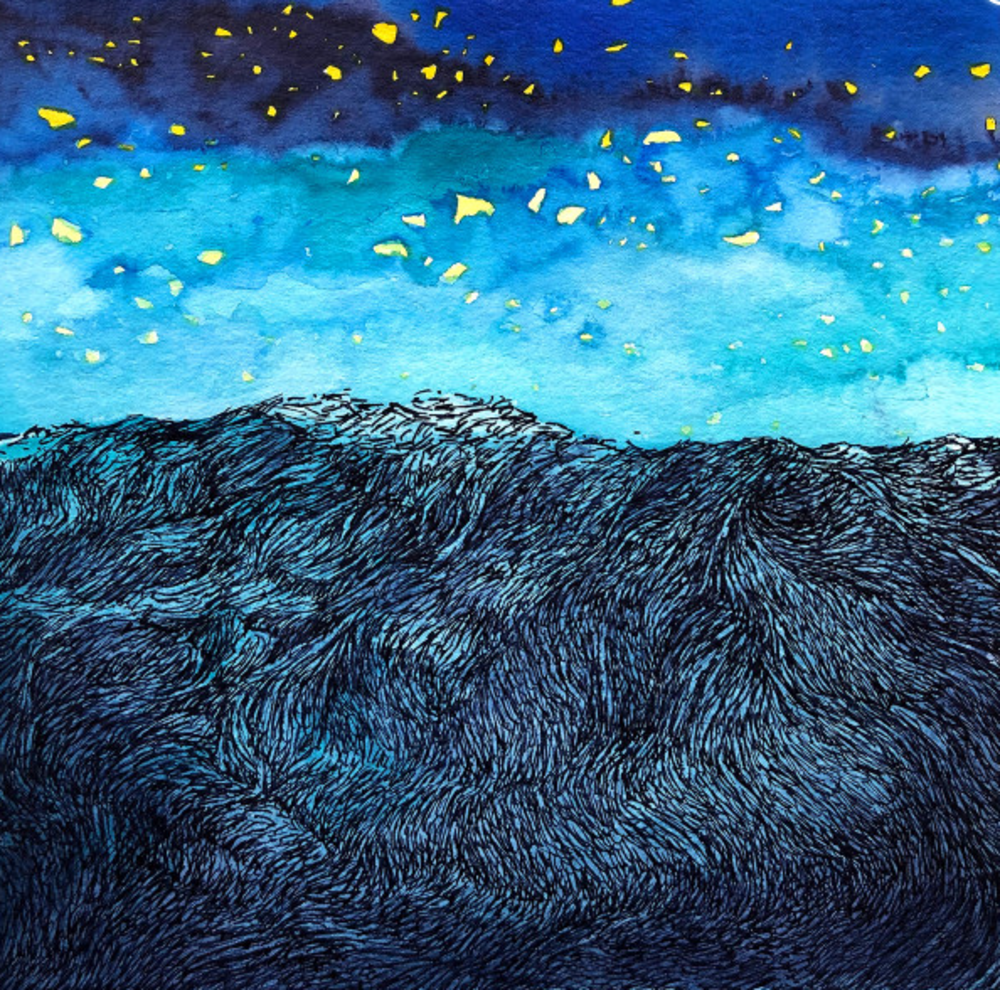
Fein gestrichelt, in sorgfältig abgestimmter Dichte, bringt Anna Maria Brandstätter ihre Objekte mit Tusche auf Papier zum Pulsieren und verleiht ihnen eine beeindruckende Plastizität. Dabei widmete sie sich naturbezogenen Räumen, wie Wurzelwerk oder Astgeflecht, im reduzierten Schwarz-Weiß-Kontrast und oft mit einem hohen Abstraktionsgrad. In ihren, in Schichten aufgebauten Bildern stellen leuchtende Farben in unterschiedlicher Intensität einen Gegenpol zu den klar strukturierten Linien dar, mit denen sie Traumlandschaften und einen fantastischen Weltraum ausbreitet.“
Mit ihren hyperrealistisch detaillierten Pastell- und Öl-auf-Leinwand-Malereien thematisiert Angela Eisenköck die Vergänglichkeit – sei es in der Darstellung von welkenden Blumen, stark vergrößerten Fragmenten oder wallenden und luftig drapierten Stoffstücken. Dabei bedient sie sich der durchaus konzeptuellen Arbeitsweise ihres ursprünglichen Berufs der Architektin: Auf der Grundlage von Fotografien nähert sie sich mit Skizzen und Zeichnungen ihrem Bildgegenstand an und setzt ihn dann erst tatsächlich um – mit starken Farben in vielen Schichten sowie Licht- und Schattenwirkungen, die das Objekt zum Leuchten bringen.
Jahresprogramm